
Good People, Better Business.℠
The Allay Group
Serving Customers in Nampa & Surrounding Areas
24/7 Emergency Services

Certified
Technicians

24/7 Emergency
Services

Two Decades
of Claim Experience
Trustindex verifies that the original source of the review is Google. These guys were absolutely amazing. We had a flood and it felt like the whole house was just falling apart. But they came in on the weekend asap, inspected the whole situation, and have been working to fix it for us. All while being so kind and helpful, making us feel significantly more confident that everything will be ok. Plus, most of the people who came to help with the water mitigation and demolition were cat people. Which is always a plus in our book.Trustindex verifies that the original source of the review is Google. Jaiden at Allay the head designer is great to work with. She has a vast knowledge when it comes to hard surface wood, tile, LVP and other selections when remodeling a home. I have worked with her 6+ years as a local distributor in the area.Trustindex verifies that the original source of the review is Google. Having a flood is always an incredibly stressful thing. Kevin was our project manager and it was nice to work with someone who was empathetic as well as business like. We had some challenges coordinating with our tenants (not the company’s fault), but in the end, it all turned out very nicely. 😊👍Trustindex verifies that the original source of the review is Google. Working with Kevin assured me they were going to do a good job, they went over and above, made my family and I so happy on a job well done. Professional service, and care. Thank you. Ally Disaster Cleanup.Trustindex verifies that the original source of the review is Google. Excellent workmanship, excellent communication with me. I highly recommend them.Trustindex verifies that the original source of the review is Google. Kevin and his Allay team handled our flooded basement perfectly. Today we are enjoying the completion of them moving in our furniture and putting up rods, mirrors, and covering outlets,. Etc. They are hard workers and great finishers!! Thank you so much, Kevin!! I would recommend Allay to anybody! .Trustindex verifies that the original source of the review is Google. Allay got sent to my house by USAA to investigate possible water damage caused by a small leak in the refrigerator line. He arrived on time, and was super chill and easy to talk to. He only found moisture on the base of the cabinet, which was good news on my end cuz I’m able to fix that! They sent me an invoice by mistake, and after talking to a couple of their reps, including the tech that came out, everything got taken care of. 100% recommend. I really appreciate their dedication to customer service, and how quickly they can get issues resolved.Trustindex verifies that the original source of the review is Google. Exceptional workmanship!! Everything they touched in our bathroom work was done in a above exceptional way!! Staff and contractors were always courteous and great at following through!Google rating score: 4.5 of 5, based on 43 reviews
Expert Service You Can Trust
When Issues Arise, Trust Us to Handle Them
Certifications
A+ Accredited
Better Business Bureau
Trustindex verifies that the original source of the review is Google. These guys were absolutely amazing. We had a flood and it felt like the whole house was just falling apart. But they came in on the weekend asap, inspected the whole situation, and have been working to fix it for us. All while being so kind and helpful, making us feel significantly more confident that everything will be ok. Plus, most of the people who came to help with the water mitigation and demolition were cat people. Which is always a plus in our book.Trustindex verifies that the original source of the review is Google. Jaiden at Allay the head designer is great to work with. She has a vast knowledge when it comes to hard surface wood, tile, LVP and other selections when remodeling a home. I have worked with her 6+ years as a local distributor in the area.Trustindex verifies that the original source of the review is Google. Having a flood is always an incredibly stressful thing. Kevin was our project manager and it was nice to work with someone who was empathetic as well as business like. We had some challenges coordinating with our tenants (not the company’s fault), but in the end, it all turned out very nicely. 😊👍Trustindex verifies that the original source of the review is Google. Working with Kevin assured me they were going to do a good job, they went over and above, made my family and I so happy on a job well done. Professional service, and care. Thank you. Ally Disaster Cleanup.Trustindex verifies that the original source of the review is Google. Excellent workmanship, excellent communication with me. I highly recommend them.Trustindex verifies that the original source of the review is Google. Kevin and his Allay team handled our flooded basement perfectly. Today we are enjoying the completion of them moving in our furniture and putting up rods, mirrors, and covering outlets,. Etc. They are hard workers and great finishers!! Thank you so much, Kevin!! I would recommend Allay to anybody! .Trustindex verifies that the original source of the review is Google. Allay got sent to my house by USAA to investigate possible water damage caused by a small leak in the refrigerator line. He arrived on time, and was super chill and easy to talk to. He only found moisture on the base of the cabinet, which was good news on my end cuz I’m able to fix that! They sent me an invoice by mistake, and after talking to a couple of their reps, including the tech that came out, everything got taken care of. 100% recommend. I really appreciate their dedication to customer service, and how quickly they can get issues resolved.Trustindex verifies that the original source of the review is Google. Exceptional workmanship!! Everything they touched in our bathroom work was done in a above exceptional way!! Staff and contractors were always courteous and great at following through!Google rating score: 4.5 of 5, based on 43 reviews
Contact Us Today!
A member of our team will be in touch shortly.
Our Services

Contact Us Today!
Contact us today for a free consultation and let our experts bring your vision to life.
Allay Restoration Services of Nampa, Idaho
Rapid Response for Water, Fire, and Storm Damage
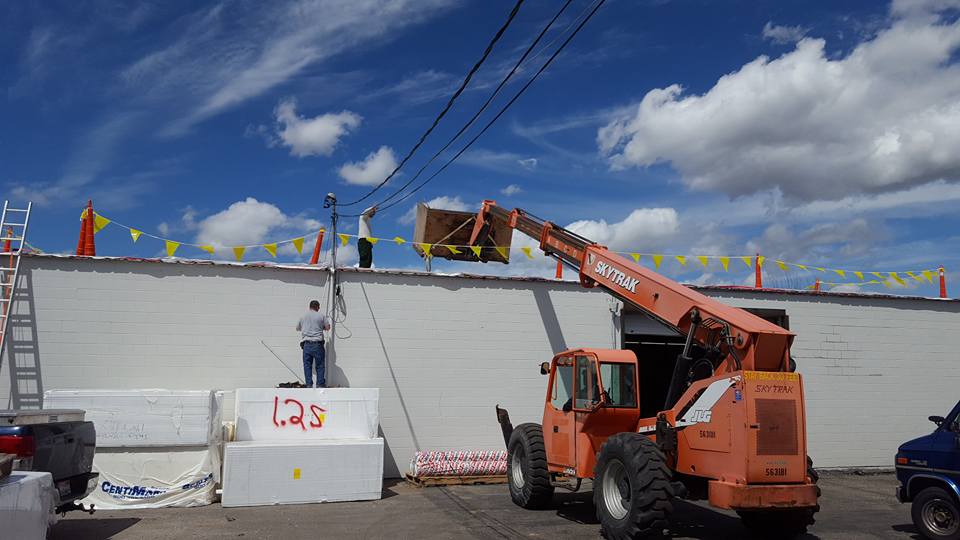
Disaster happens when we least expect it and you can never be prepared for them. From burst pipes to storm related damages, these catastrophes can wreak havoc on homes and businesses and cause extensive damage, which can prove costly in many cases – especially if you’re not very well versed in general construction and the varying insurance claim processes.
So if you’re in need of expert help with mold removal, storm cleanup, general restoration services or water mitigation Idaho folks rely on, there’s only one name to keep in mind – Allay Restoration Services!
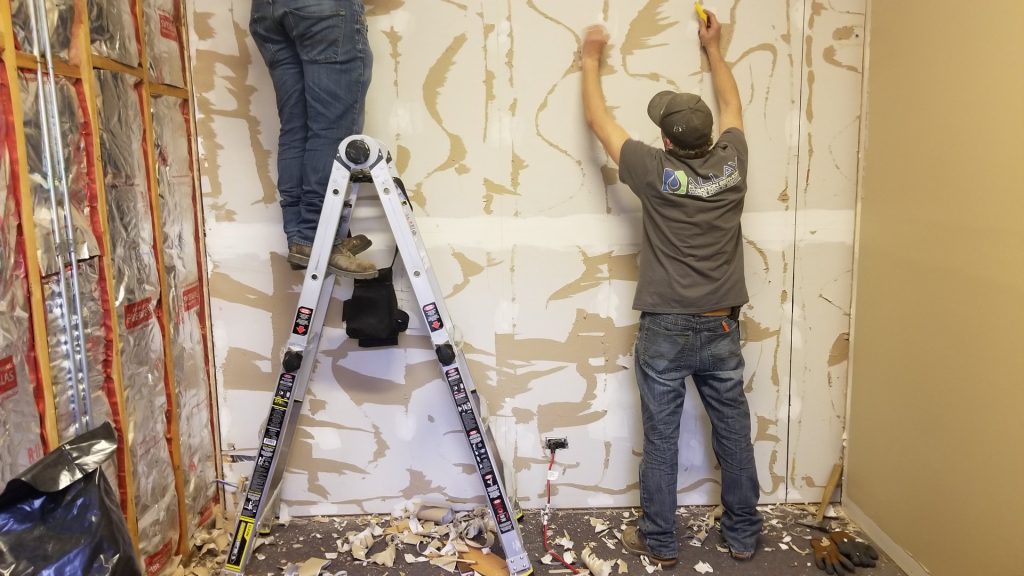
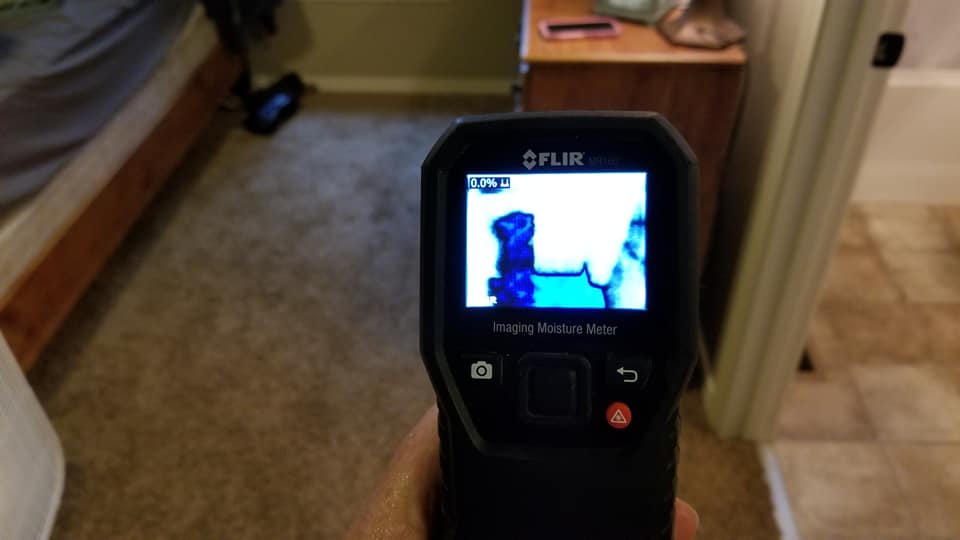
Allay Restoration Services is a service-oriented Claim Contractor Liaison Company℠ dedicated to providing top quality water mitigation, mold removal, storm cleanup, fire restoration, and other related services for commercial, residential, and government clients in need of fast, reliable service at honest, fair costs.
Why Choose Our Local Restoration Experts
Your Dedicated Partner in the Nampa Community
Choosing a local company means choosing a team that is part of your community. As a dedicated service provider in Nampa, we offer faster response times for emergencies and have an in-depth understanding of local building regulations and environmental factors. We are familiar with the unique challenges that homes in Nampa can face, allowing us to provide more effective and tailored solutions.
Our commitment extends beyond just business; we are dedicated to helping our neighbors throughout the Nampa area. We take immense pride in restoring homes and helping local families recover from devastating events. When you work with us, you’re partnering with a team that genuinely cares about the well-being of the Nampa community and its residents.
From the initial emergency call for water extraction to the final nail in a complete home remodel, we are the only partner you need. We provide a full spectrum of services to homeowners in Nampa, ensuring a smooth and stress-free recovery and renovation process. Trust our local experts to restore your peace of mind and bring your property back to life, better than ever before.
Areas We Serve
Serving Communities Across the Greater Nampa Area
At The Allay Group, we’re proud to provide reliable, expert restoration services to a wide range of communities Across the Greater Treasure Valley.
Here at Allay Restoration Services, we put our clients’ needs at the forefront of our priorities, making sure we’re there for you every step of the way towards the completion of your home or business’ insurance claim and rebuilding process.
Backed by over 20 years of tried, tested, and proven excellence in the industry, you can count on us to be there for you every step of the way.