
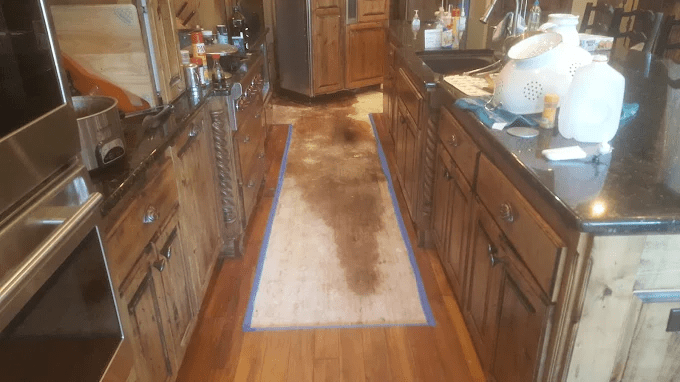
By the time the last fire truck pulls away, the real weight of what just happened begins to sink in. Walls are blackened, the air is thick with smoke, and every surface seems to carry the smell of burned plastic and charred wood. In those first quiet moments, it can feel impossible to imagine your home or business in Nampa looking normal again. Yet this is exactly the point where comprehensive fire damage restoration solutions become the bridge between disaster and recovery, transforming what appears unsalvageable into a space you can safely live or work in again.
Fire damage is rarely just about what you can see. Flames may have burned through structural elements, but smoke has likely traveled into wall cavities, insulation, ductwork, and hidden corners. Soot can coat electronics, furniture, and personal belongings, while the water and foam used to extinguish the fire create their own set of problems. Without a coordinated restoration plan, these issues can compound over time, leading to lingering odors, unhealthy indoor air, and even mold growth. Allay Disaster Cleanup Services in Nampa, ID focuses on a full-spectrum approach to fire damage restoration, addressing visible destruction as well as the hidden, long-term risks.
Comprehensive fire damage restoration solutions are not one single service; they are a carefully sequenced series of assessments, treatments, repairs, and verifications. From emergency board-up and structural drying to soot removal, odor neutralization, and reconstruction, each step must be performed in the right order and with the right methods. This is what turns a traumatizing event into a managed project, giving you a clear roadmap from the first call for help to the final walkthrough of a restored, safe environment.
Understanding Fire Damage Layers
Most people see fire damage as burned materials and blackened walls, but restoration professionals in Nampa know that the damage is layered and complex. The first layer is the obvious structural and cosmetic destruction: scorched drywall, melted fixtures, and charred framing. This type of damage is easy to spot and must be stabilized quickly so the building remains safe for entry. However, stopping here would leave deeper issues unresolved and could compromise the long-term health of the property.
The second layer involves smoke and soot, which behave very differently depending on what burned and how hot the fire became. Protein-based smoke from kitchen fires can leave a nearly invisible but incredibly stubborn residue that clings to surfaces and causes persistent odors. Plastics, synthetic fabrics, and treated wood can produce oily soot that smears when wiped and can permanently stain if not handled correctly. Allay Disaster Cleanup Services uses specialized cleaning agents and techniques tailored to each type of residue, because treating every surface the same way can actually drive contaminants deeper.
The third layer is the secondary damage caused by water, foam, and time. When firefighters extinguish a blaze, large volumes of water can flood floors, seep into subflooring, and saturate insulation. If this moisture isn’t removed quickly and thoroughly, it can lead to swelling, warping, and mold growth. In Nampa’s varied climate, this is a real concern, especially if the structure is left open to the elements. A comprehensive solution integrates water extraction, structural drying, and dehumidification into the fire restoration plan from day one, preventing a second disaster from unfolding quietly behind the walls.
Emergency Response And Site Stabilization
The first hours after a fire are critical. Once the flames are out and the scene is released by fire officials, the property needs immediate attention to prevent additional damage and to protect what remains. Allay Disaster Cleanup Services responds quickly in Nampa, ID with emergency board-up and tarping services, securing broken windows, damaged doors, and compromised roofs. This step keeps out rain, snow, animals, and unauthorized entry, all of which can make the situation worse and complicate insurance claims.
Site stabilization also includes an initial safety assessment. Before any cleanup begins, trained technicians evaluate structural integrity, check for electrical hazards, and identify areas that are unsafe to enter. This is especially important in older buildings or those with heavy fire involvement, where hidden structural weakening can pose serious risks. With the right equipment and training, professionals can navigate these conditions safely while homeowners or business owners stay out of harm’s way.
Another key part of emergency response is property preservation. Items that are at risk of additional damage, such as documents, electronics, sentimental belongings, or valuable inventory, may be carefully removed from the site for specialized cleaning and storage. This process, often called “pack-out,” allows restoration crews to work more efficiently while protecting your possessions from further exposure to soot, moisture, and construction dust. In a comprehensive fire damage restoration plan, nothing is left to chance; the goal is to preserve as much as possible while preparing the site for deeper cleanup and repair.
Thorough Assessment And Customized Plans
Once the immediate crisis is contained, the next step is a detailed assessment of the full scope of damage. A comprehensive fire damage inspection goes beyond the obvious burn marks and broken materials. Technicians from Allay Disaster Cleanup Services examine structural components, test for smoke penetration in walls and ceilings, and use moisture meters and thermal imaging to identify hidden water pockets. This investigative work is what separates a surface-level cleanup from a truly restorative solution.
Based on the findings, a customized restoration plan is developed. This plan outlines which materials can be cleaned and salvaged, which must be removed and replaced, and what sequence of work will be most efficient and effective. For example, heavily charred structural elements may need to be removed first, followed by demolition of smoke-saturated drywall, then deep cleaning, deodorization, and finally reconstruction. Each property in Nampa is different, and so is each fire; a one-size-fits-all approach simply does not work.
This planning stage is also where coordination with insurance often takes place. Detailed documentation, including photos, itemized lists of damaged property, and written assessments, help support your claim and reduce disputes later. Comprehensive fire damage restoration solutions recognize that financial recovery is as important as physical recovery. Having a professional team that understands how to communicate with insurers can ease a major burden during an already stressful time.
Cleaning, Deodorization, And Content Restoration
Cleaning after a fire is not the same as ordinary housekeeping. Soot particles can be corrosive and may etch or discolor surfaces if not treated correctly. Smoke residues can react with moisture in the air, creating acidic compounds that continue to damage metals, electronics, and finishes. Allay Disaster Cleanup Services uses specialized techniques such as dry sponging, HEPA vacuuming, and targeted chemical cleaning to remove residues without spreading them further or causing additional harm.
Odor removal is another major component of comprehensive restoration. Simply covering up smoke smells with fragrances or paint will not work; the odor will eventually return if the source remains. Professional crews in Nampa use advanced deodorization tools such as thermal fogging, ozone treatment, and hydroxyl generators to neutralize odor-causing molecules at their source. These methods can reach into porous materials and hidden spaces, treating areas that traditional cleaning cannot access.
Content restoration focuses on your belongings: furniture, clothing, artwork, documents, and other items that may have sentimental or monetary value. Instead of discarding everything, a comprehensive solution includes evaluation and cleaning of salvageable items. Techniques like ultrasonic cleaning for delicate items, specialized laundering for textiles, and controlled drying for books and papers can restore items you might assume are lost. Pack-out services often transport these belongings to a secure facility where they can be cleaned, dried, and stored until your Nampa property is ready for them to return.
Structural Drying, Repair, And Reconstruction
Because fire suppression often involves large amounts of water, structural drying is a crucial stage in the restoration process. Industrial-grade air movers, dehumidifiers, and, when needed, targeted heat drying systems are used to pull moisture out of building materials. Moisture levels are monitored regularly to ensure that walls, floors, and structural components reach safe, dry conditions. Skipping or rushing this step can trap moisture inside materials, leading to mold growth and long-term structural issues.
After affected materials are fully dried and cleaned, repairs and reconstruction can begin. This may range from replacing sections of drywall and flooring to rebuilding entire rooms or structural elements. Allay Disaster Cleanup Services coordinates these phases so that demolition, cleaning, and reconstruction flow logically, minimizing downtime and disruption. The goal is not just to make the property look better, but to restore it to pre-loss condition or better in terms of safety, durability, and functionality.
Reconstruction also presents an opportunity to address pre-existing issues or make improvements. Some property owners in Nampa choose to upgrade finishes, reconfigure spaces, or improve fire safety features such as adding hard-wired smoke detectors or using more fire-resistant materials. A comprehensive fire damage restoration approach supports these decisions by integrating them into the repair process rather than treating them as separate projects. This can save time, reduce costs, and result in a more resilient property.
Health, Safety, And Long-Term Protection
Fire damage is not just a visual or structural problem; it is also a health concern. Soot and smoke residues can contain a variety of harmful compounds, including carcinogens and respiratory irritants. If these are not properly removed, they can continue to affect indoor air quality long after the visible damage is repaired. Comprehensive restoration includes thorough cleaning of HVAC systems, ductwork, and hidden cavities, as well as the use of HEPA filtration to capture fine particles during the cleanup process.
Safety checks are another important part of long-term protection. After repairs, electrical systems should be inspected, structural components reviewed, and any code upgrades implemented. Allay Disaster Cleanup Services works with licensed professionals to verify that the restored property meets or exceeds current safety standards. This offers peace of mind that you are not just moving back into a space that looks new, but one that is genuinely safe for occupants.
Finally, comprehensive fire damage restoration often includes guidance on prevention and preparedness. While no one plans for a fire, you can reduce risks by maintaining electrical systems, installing and testing smoke alarms, keeping fire extinguishers accessible, and developing an evacuation plan. In a community like Nampa, where both residential neighborhoods and commercial districts can be impacted, these measures help protect families, employees, and customers. Restoration is about more than fixing what happened; it is also about reducing the chance that you will face the same crisis again.
Frequently Asked Questions
How soon should I call a fire damage restoration company after a fire? You should contact a professional restoration company as soon as the fire department declares the property safe to enter. Fast action helps prevent secondary damage from soot, smoke, weather, and water. Allay Disaster Cleanup Services can begin with emergency board-up, moisture control, and initial assessment in Nampa, ID, often within hours. The sooner the process begins, the more can be salvaged and the smoother your recovery tends to be.
Can smoke and soot really affect areas that weren’t touched by flames? Yes. Smoke travels quickly through open doorways, vents, and even tiny gaps in walls and ceilings. It can deposit soot and odor in rooms far from the visible fire damage. This is why a whole-structure assessment is essential, even if the fire seemed localized. Comprehensive fire damage restoration includes inspecting and cleaning adjacent rooms, attics, crawl spaces, and HVAC systems to ensure that hidden contamination is addressed.
What happens to my belongings during fire damage restoration? Salvageable items are typically inventoried, photographed, and carefully packed out to a secure facility for cleaning and storage. Depending on the item, techniques such as ultrasonic cleaning, specialized washing, or controlled drying may be used. Items that cannot be safely restored are documented for insurance purposes. Once your Nampa property is cleaned, repaired, and safe, your restored belongings are returned and placed back into the home or business.
How long does comprehensive fire damage restoration usually take? The timeline depends on the severity of the fire, the size of the property, and the extent of structural and contents damage. Minor fires with limited structural impact may be resolved in a few weeks, while major losses involving reconstruction can take several months. After the initial assessment, Allay Disaster Cleanup Services provides a projected schedule and keeps you updated as work progresses, adjusting for any discoveries or changes along the way.
Does fire damage restoration also address water and storm-related issues? Yes. Because firefighting efforts often introduce significant water into a structure, water extraction and drying are integrated into fire restoration plans. In some cases, storm damage may also be involved, especially if the fire compromised the roof or exterior during bad weather. Services like Storm Damage Cleanup can be combined with fire restoration to ensure that all sources of damage are handled in a coordinated, efficient way, protecting the long-term health and stability of your property.