
Studies show that untreated water damage can begin to permanently weaken building materials in as little as 24–48 hours, even when the water appears to have “mostly dried.” That means the clock starts ticking the moment water touches your floors, walls, or foundation. What many property owners in Nampa, ID don’t realize is that mopping, towels, and household fans rarely remove enough moisture to prevent hidden structural damage, mold growth, and lingering odors. This is where professional emergency water extraction becomes the difference between a quick recovery and a long, expensive restoration ordeal.
Emergency water extraction is the fast, focused process of removing standing water and trapped moisture before it can penetrate deeper into building materials. It is not just about getting the visible water out; it is about protecting the long-term stability and safety of your home or business. For Allay Disaster Cleanup Services, serving Nampa and the surrounding Treasure Valley, water extraction is the first and most urgent step in a complete property protection strategy. The goal is simple: act quickly enough that walls, floors, and contents can be saved instead of replaced.
Whether the source is a burst pipe, a failed water heater, an overflowing toilet, or heavy Idaho storms overwhelming a basement, the principle is the same: the faster the water is removed, the less damage it can do. That is why professional teams mobilize with powerful extraction equipment, moisture detection tools, and proven drying methods. Instead of guessing where the water went or hoping the air will take care of it, emergency water extraction is a systematic approach to getting your property back to a safe, stable condition as soon as possible.
Why Speed Matters Most
Water does not politely stay on the surface. It flows, seeps, and wicks into every porous material it touches. Within the first hour of a water event, moisture can begin migrating into drywall, baseboards, subflooring, and insulation. By the time a property owner in Nampa notices that the carpet is still damp the next day, the damage may already be spreading behind walls and under flooring. The critical point to understand is that visible water is only a fraction of the problem; hidden moisture is what causes long-term structural and health issues.
Speed is essential because building materials are only designed to handle limited moisture exposure. Drywall can begin to swell and crumble, particle board loses its strength, and adhesives holding down flooring can fail. When water sits, even for a short period, it invites mold spores—already present in most indoor environments—to find a perfect breeding ground. Once mold takes hold, cleanup becomes more complex and more costly, and occupants may face health concerns ranging from allergies to respiratory irritation.
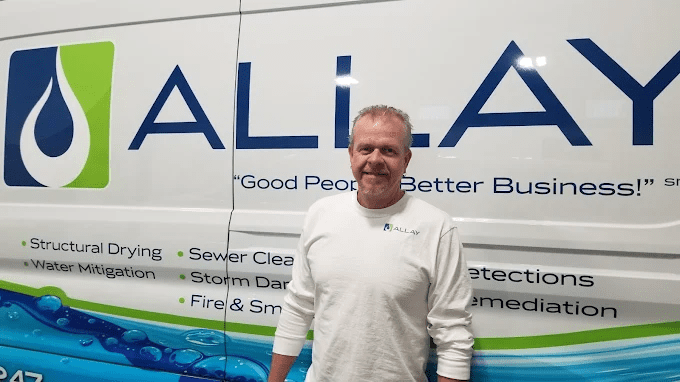
Allay Disaster Cleanup Services focuses on rapid response precisely to interrupt this chain reaction. Their emergency water extraction teams in Nampa, ID are equipped to arrive quickly, assess the situation, and begin removing water immediately. The objective is to cut off damage before it escalates, saving as much of the existing structure and contents as possible. Fast extraction is not a luxury; it is the most effective form of property protection you can choose after a water loss.
There is also a financial dimension to speed. Insurance companies often look favorably on property owners who act promptly to mitigate damage because it reduces the total cost of the claim. By contacting professionals right away, you are not only protecting your property but also demonstrating that you took reasonable steps to limit the loss. This can streamline the claims process and help avoid disputes over what damage was preventable.
What Professional Extraction Really Involves
Many people imagine water extraction as simply vacuuming up puddles with a wet/dry shop vac. In reality, professional emergency water extraction is a multi-stage process designed to remove both standing water and deeply absorbed moisture. Teams from Allay Disaster Cleanup Services arrive with truck-mounted extraction units, portable pumps, and specialty tools that can pull water from carpet, padding, and even difficult-to-reach cavities. These systems are far more powerful than consumer-grade equipment and can remove large volumes of water in a short period.
The process begins with a detailed inspection. Technicians identify the source of water when possible, categorize the type of water (clean, gray, or contaminated), and map how far it has traveled. Moisture meters and thermal imaging cameras are used to detect wet areas that are not obvious to the naked eye, such as moisture behind walls or under cabinets. This diagnostic step ensures that the extraction plan targets not just the obvious standing water but the hidden pockets that could later cause mold or structural issues.
Once the mapping is complete, extraction equipment is deployed. For saturated carpets and pads, powerful weighted extraction tools may be used to squeeze out as much water as possible without immediately tearing out materials. Hard surfaces like tile or concrete may require different attachments to remove pooled water efficiently. In some cases, drain pumps or sump pumps are used for basements or crawlspaces with high water levels. The aim is to reduce the bulk water load as quickly as possible so that the next phase—drying—can work effectively.
After the visible water is extracted, the job is not finished. Professional teams transition into a carefully planned drying process that uses high-velocity air movers, dehumidifiers, and temperature control to pull remaining moisture out of building materials. This combination of water extraction and controlled drying is what truly protects a property. Skipping professional extraction or relying only on fans leaves too much moisture behind, giving damage and mold a chance to develop in the weeks that follow.
How Extraction Protects Your Structure
Every building in Nampa, whether it is a single-family home or a commercial facility, has a skeleton: the framing, subfloors, joists, beams, and support systems that keep it standing. When water intrudes, that skeleton is at risk. Wood can warp, swell, or rot. Metal components can corrode. Fasteners can loosen. Over time, this can lead to sagging floors, cracking walls, and doors or windows that no longer open or close correctly. Emergency water extraction is essentially a structural defense tactic, removing the threat before it compromises that skeleton.
Flooring is one of the first structural elements to show distress. Hardwood can cup or buckle when moisture becomes trapped underneath. Laminate flooring may swell and separate. Even concrete slabs can absorb water, leading to issues like efflorescence or surface deterioration. By aggressively removing water and following up with appropriate drying, Allay Disaster Cleanup Services helps stabilize these materials before the damage becomes irreversible. In many cases, timely extraction can be the difference between salvaging a wood floor and having to replace it entirely.
Walls and ceilings are equally vulnerable. Drywall is highly porous and acts like a sponge, pulling water upward from the floor. If the moisture is not removed quickly, the drywall can lose its integrity, requiring demolition and replacement. Insulation behind walls can also hold water, increasing drying times and supporting mold growth. Professional extraction, combined with strategic drying and, when necessary, selective removal of saturated materials, reduces the risk of widespread demolition. This preserves more of the original structure and shortens the restoration timeline.
There is also the foundation to consider. In heavy rain events or plumbing failures that flood basements and crawlspaces, water can exert pressure on foundation walls and seep into cracks. Long-term moisture around a foundation can weaken it and promote settling or shifting. By pumping out water quickly and implementing drying strategies in lower levels, emergency extraction services help maintain the health of the foundation and prevent problems that might not show up until months or years later.
Health, Safety, And Hidden Risks
While protecting the structure is crucial, protecting the people who live or work in the building is just as important. Standing water and soaked materials can quickly become a health hazard, especially if the water is from a contaminated source such as a sewer backup, storm runoff, or an overflowing toilet. In these situations, emergency water extraction is also about removing harmful bacteria, viruses, and other contaminants that can linger in carpets, drywall, and furnishings.
Even clean water from a broken supply line can become problematic if it is not removed quickly. Once it sits, it begins to pick up contaminants from building materials and can become a breeding ground for mold and microorganisms. Mold can begin to colonize within 24–72 hours under the right conditions. Once it spreads, it can trigger allergies, asthma symptoms, and other respiratory issues for occupants. Professional extraction and thorough drying dramatically reduce the chance that those conditions develop.
There are also immediate safety hazards that many property owners in Nampa may not recognize. Water around electrical outlets, appliances, or wiring presents a risk of shock or fire. Wet flooring increases the chance of slip-and-fall injuries. Structural components that have been compromised by water can unexpectedly fail under load. Allay Disaster Cleanup Services technicians are trained to identify and manage these risks, coordinating with electricians, plumbers, or other specialists when needed to ensure that the environment is safe before and during the extraction process.
Odors are another hidden consequence of incomplete extraction. Musty smells often indicate that moisture remains trapped somewhere in the structure, even if surfaces feel dry to the touch. These odors are not just unpleasant; they can be a warning sign that bacterial or fungal growth is underway. Professional water extraction and follow-up drying, along with appropriate cleaning and disinfection, address odors at their source rather than trying to mask them with sprays or air fresheners.
What Nampa Property Owners Should Do First
When water suddenly invades your property, the first few minutes are often chaotic. It can be hard to know what to do or in what order. The most important step is to stop the source of water if it is safe to do so. That might mean shutting off the main water supply, turning off a malfunctioning appliance, or placing a bucket under an active leak. Once the immediate flow is controlled, contacting a professional emergency water extraction company like Allay Disaster Cleanup Services should be your next move.
While you wait for help to arrive, there are safe actions you can take. If there is no danger from electricity or structural instability, you can move valuables, electronics, and light furniture out of the affected area to prevent further damage. Placing aluminum foil or blocks under furniture legs can help reduce staining on wet carpets. However, it is important to avoid wading into deep water if you are unsure about electrical hazards and to avoid using household vacuums designed only for dry use.
Resist the temptation to tear out materials or open walls on your own unless specifically advised by professionals. While it may feel like you are speeding up the drying, improper demolition can spread contamination, increase costs, and complicate the restoration plan. Professional teams will evaluate which materials can be saved and which must be removed, using industry standards and moisture readings rather than guesswork.
Documenting the damage with photos and notes can also be helpful for insurance purposes. Take pictures of affected rooms, contents, and any visible water lines. Allay Disaster Cleanup Services often works directly with insurers and can assist you in providing the information needed for a claim. By combining quick action on your part with expert extraction and drying, you create the best possible outcome for your property.
Professional Tools And Techniques
One of the biggest differences between DIY efforts and professional emergency water extraction is the caliber of equipment and techniques used. Truck-mounted extraction units used by companies like Allay Disaster Cleanup Services can generate strong suction and high water removal rates, far beyond what portable consumer machines can achieve. This capability is especially important in large losses, such as flooded basements or multi-room incidents, where time is critical and large volumes of water must be removed quickly.
Moisture detection tools are another key component. Technicians use pin and pinless moisture meters to measure the moisture content of materials like wood, drywall, and concrete. Thermal imaging cameras help visualize temperature differences that indicate hidden moisture behind surfaces. This combination of tools allows for a targeted approach: instead of drying the entire structure blindly, efforts are concentrated where moisture is actually present.
After extraction, the drying phase typically involves a calculated setup of air movers and dehumidifiers. Air movers help lift moisture from surfaces into the air, while dehumidifiers remove that moisture from the air and convert it to liquid that can be drained away. Technicians create a drying plan based on the size of the affected area, the types of materials involved, and environmental conditions. They then monitor progress daily, adjusting equipment placement and settings until moisture readings return to acceptable levels.
In some cases, specialized techniques such as wall cavity drying systems, floor drying mats, or controlled demolition are used to address hard-to-reach moisture. These advanced methods, when combined with comprehensive extraction and services like Structural Drying, provide a complete solution that not only removes water but ensures the structure is returned to a stable, healthy condition.
Frequently Asked Questions
How soon should I call for emergency water extraction after a leak or flood? You should call as soon as you discover the water, even if you have already started cleaning up on your own. The first 24 hours are critical for preventing structural damage and mold growth. Professional teams serving Nampa, ID, like Allay Disaster Cleanup Services, are set up for rapid response and can often begin extraction the same day. Delaying even a day or two can allow moisture to penetrate deeper into walls, floors, and insulation, making the restoration process longer and more expensive.
Can’t I just use fans and open windows to dry out the water? Household fans and open windows may help dry surface moisture, but they rarely reach the water trapped inside building materials. Without proper extraction and dehumidification, that hidden moisture can remain for weeks, leading to warping, deterioration, and mold growth. Professional emergency water extraction removes the bulk of the water first, then uses controlled drying equipment to pull out the remaining moisture. This approach is far more effective and much safer for the structure and for indoor air quality.
Is all water damage treated the same way? No. The source and category of water significantly affect how it should be handled. Clean water from a supply line is very different from contaminated water from a sewer backup or floodwater that may contain chemicals and bacteria. Allay Disaster Cleanup Services assesses the type of water and tailors the extraction, cleaning, and disinfection methods accordingly. Contaminated water situations often require more extensive protective measures, removal of certain materials, and specialized sanitizing to ensure the environment is safe again.
Will my flooring and walls always need to be replaced after water damage? Not necessarily. The need for replacement depends on how quickly the water is removed, how long materials stayed wet, and what type of water was involved. Many carpets, hardwood floors, and sections of drywall can be saved if emergency water extraction and drying begin promptly. Technicians use moisture readings and visual inspections to decide what can be restored and what must be removed. Acting quickly improves the chances that more of your original materials can be salvaged.
Does insurance usually cover emergency water extraction services? In many cases, yes, but it depends on your specific policy and the cause of the water damage. Sudden and accidental events, such as burst pipes or appliance failures, are often covered, while long-term leaks or floodwater from rising rivers may require separate coverage. It is important to contact your insurer as soon as possible after the incident. Allay Disaster Cleanup Services in Nampa, ID can help document the damage and provide detailed reports of the emergency water extraction and drying work, which can support your claim and help streamline the process.