
The first thing most homeowners notice after a fire is that the damage keeps getting worse even after the flames are out. Soot settles into carpets and furniture, smoke odor seeps deeper into walls, and water from firefighting efforts soaks subfloors and framing. What looked like a contained incident can quickly snowball into a full-blown structural and health problem if it isn’t handled correctly and quickly. Fire damage restoration exists to stop that downward spiral, stabilize the home, and carefully bring it back to a safe, livable condition.
In a residential setting, fire damage is rarely just about what burned. It’s about the lingering smoke that stains ceilings and irritates lungs, the wet insulation that breeds mold, the warped electrical systems that pose hidden hazards, and the emotional weight of seeing your home in pieces. Professional fire damage restoration for residential properties is a coordinated process that addresses all of these layers at once. For homeowners in Nampa, ID, Allay Disaster Cleanup Services provides that structure and expertise, guiding families from the chaos of the fire scene to the clarity of a restored, healthy home.
Instead of a quick cleaning or a coat of paint, true restoration is a methodical series of steps: emergency response, safety evaluation, debris removal, drying, soot and smoke cleanup, odor elimination, and finally, reconstruction and finishing. Each step builds on the previous one and has to be done in the right order to avoid compounding the damage. Understanding what happens during fire damage restoration can make the process less intimidating and help you make better decisions in the critical hours and days after a fire.
Understanding Residential Fire Damage
No two house fires in Nampa are exactly alike, and that’s one reason professional assessment is so important. A small kitchen grease fire that fills a home with smoke but burns only a few cabinets will create a very different set of problems than a living room fire fueled by synthetic furniture. Grease fires leave sticky, protein-based residues that are hard to see but extremely tough to remove, while synthetic materials produce thick, corrosive soot that can damage electronics, metal fixtures, and even the inner workings of HVAC systems. Allay Disaster Cleanup Services starts by identifying the fire type and affected materials because this shapes every cleaning and restoration decision that follows.
Fire damage also tends to be layered. There is primary damage, which is what the flames directly burned or charred, and secondary damage, which includes smoke, soot, and water or foam from firefighting efforts. Secondary damage often spreads far beyond the room where the fire started. Smoke can travel through tiny gaps, vents, and ductwork, staining walls and ceilings in distant rooms and leaving behind persistent odors. Water used to extinguish the fire can pool in low spots, soak into drywall, and drip through levels of the home, causing swelling, warping, and potential mold if not quickly addressed.
On top of visible damage, there are invisible hazards. Microscopic soot particles can remain suspended in the air, irritating respiratory systems and settling into fabrics and porous surfaces. Some burned materials release toxic compounds that linger long after the fire trucks leave. Electrical systems may be compromised by heat or moisture, even if outlets and switches appear intact. Professional fire damage restoration takes these hidden risks seriously, using air filtration, protective equipment, and careful inspection to ensure that what looks “clean” is also safe for you and your family.
First Steps After a House Fire
The hours immediately following a residential fire are a confusing blur for most homeowners. Beyond making sure everyone is safe and the fire is fully extinguished, the next most important step is to stabilize the property. This usually begins with securing the site. Allay Disaster Cleanup Services can board up broken windows and doors, tarp damaged roofs, and close off unsafe areas to prevent weather intrusion, vandalism, and accidental injury. In a place like Nampa, where weather can shift quickly, even a short delay in securing openings can mean water intrusion and additional structural damage.
Once the property is secure, a thorough safety inspection is essential. This is not just a quick walk-through. Restoration professionals evaluate the structural integrity of floors, walls, and ceilings; check for potential electrical hazards; and identify areas where falling debris or hidden fire pockets might pose risk. They also determine which areas are safe to enter for retrieval of essential belongings and which must remain off-limits until further stabilization or demolition is completed. This step helps keep homeowners and their families from unknowingly walking into dangerous environments.
The next key action is documentation. Before significant cleanup begins, detailed photos, notes, and sometimes moisture readings are collected to document the extent of damage. This documentation is valuable for insurance claims and for planning the restoration scope. Many Nampa homeowners find this stage overwhelming, which is why having a team like Allay Disaster Cleanup Services involved early can make a major difference. They understand the information insurers expect and can help ensure nothing important is missed, from structural damage to seemingly minor smoke staining that could indicate deeper issues.
Mitigating Water, Soot, and Smoke Damage
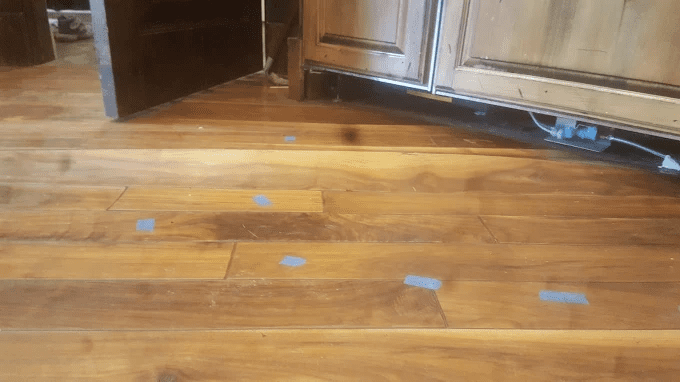
Fire and water often arrive as a package deal. Firefighters may need hundreds or thousands of gallons of water to put out a residential fire, and that water doesn’t just disappear once the flames are out. It seeps into subfloors, framing, drywall, insulation, and personal belongings. One of the first technical steps in fire damage restoration is extracting standing water and starting the structural drying process. Industrial-grade pumps, extractors, air movers, and dehumidifiers are used to remove moisture from building materials and the air, helping to prevent mold growth and structural weakening. Professional teams monitor moisture levels with specialized tools to ensure hidden pockets of water don’t remain trapped in walls or floors.
At the same time, soot and smoke residues must be addressed before they set in permanently. Soot behaves differently depending on what burned. Dry soot from fast-burning fires can often be vacuumed and wiped with specialized sponges, while wet or oily soot from smoldering fires smears easily and requires specific cleaning agents and techniques. Trying to clean soot with household cleaners or water can make staining worse and push contaminants deeper into surfaces. Allay Disaster Cleanup Services uses products and tools designed for fire restoration, which can include alkaline cleaners, HEPA vacuums, and carefully selected solvents tailored to each surface and residue type.
Smoke odor mitigation is another critical task. Smoke molecules are tiny and can embed themselves deep into porous materials like drywall, wood, and fabric. Simply airing out the home rarely solves the problem. Professional odor removal often involves a combination of thorough cleaning, sealing of affected surfaces, and advanced treatments such as thermal fogging or ozone/ hydroxyl generation. These technologies help neutralize odor-causing particles rather than just masking them. For Nampa homeowners, this step is vital not only for comfort but also for peace of mind; lingering smoke smells can be a constant reminder of the trauma of the fire if not properly eliminated.
Cleaning, Contents Care, and Structural Repairs
Once the immediate hazards are under control and the home is stable and drying, the more detailed restoration work begins. This includes cleaning and decontaminating surfaces throughout the home, even in rooms that appear untouched. Soot can create a fine film that dulls paint, corrodes fixtures, and affects air quality. Walls, ceilings, floors, cabinets, and fixtures are cleaned using methods that match the material and level of contamination. In some cases, materials like heavily charred framing or deeply smoke-damaged drywall may need to be removed and replaced rather than cleaned. A careful balance is struck between salvaging what is safe and cost-effective and removing what cannot be fully restored.
Personal belongings, often called “contents” in the restoration industry, receive special attention. Items may be cleaned on-site or carefully packed and transported to an off-site facility for specialized treatment. Clothing, linens, soft furniture, electronics, documents, and sentimental items are evaluated for salvageability. Techniques such as ultrasonic cleaning, dry cleaning, and electronics restoration can bring many items back to pre-loss condition that homeowners might otherwise assume are ruined. For families in Nampa, this aspect is often the most emotionally significant part of the process, as it can preserve irreplaceable memories and reduce the overall cost of replacement.
After cleaning and contents care, structural repairs move the home from “stabilized” to “rebuilt.” This might include replacing damaged framing, installing new insulation and drywall, repairing or replacing flooring, and repainting. Electrical and plumbing systems affected by the fire or firefighting efforts must be inspected and repaired by licensed professionals to ensure they meet current safety codes. Allay Disaster Cleanup Services coordinates these phases so that the home is not only cosmetically restored but structurally sound and compliant. The goal is to return the property to a condition that feels like home again, not just a patched-up version of what was there before.
Health, Safety, and Air Quality Considerations
Fire damage restoration is as much about protecting long-term health as it is about fixing visible destruction. Soot and smoke residues can contain a cocktail of chemicals, including carcinogens and respiratory irritants. Incomplete or improper cleaning can leave behind particles that continue to off-gas and circulate through the home’s air. This is particularly concerning for children, older adults, and anyone with asthma or allergies. Professional teams use containment barriers, negative air machines, and HEPA filtration to keep contaminants from spreading during cleanup and to improve indoor air quality as work progresses.
Mold risk is another health factor that must be taken seriously, especially after the heavy water use common in firefighting. If structural drying is incomplete or delayed, mold can begin to colonize within 24–48 hours in damp conditions. Once it takes hold behind walls or under flooring, it can be difficult and expensive to remove. That’s why services like thorough extraction and Structural Drying are integral to fire restoration, not optional add-ons. In a climate like Nampa’s, where temperature swings can cause condensation and humidity pockets, careful monitoring and drying are key defenses against mold growth.
Finally, safety doesn’t end when the last contractor leaves. A properly restored home should feel and function like a safe environment. That means ensuring detectors and alarms are in place and operational, electrical systems are tested, and any remaining odors or discoloration are addressed rather than ignored. Reputable companies like Allay Disaster Cleanup Services are transparent about the work performed, provide documentation, and are willing to walk homeowners through what was done and why. This clarity helps residents regain confidence in their home as a healthy place to live.
Working With Professionals in Nampa, ID
For many homeowners, the idea of navigating a fire loss alone is overwhelming. Between insurance paperwork, temporary housing, and emotional stress, it’s easy to miss critical steps that affect long-term outcomes. Partnering with a professional restoration company in Nampa means you have a guide who understands both the technical aspects of fire damage and the practical realities of local building codes, weather patterns, and neighborhood expectations. Allay Disaster Cleanup Services brings that regional knowledge to each project, tailoring their approach to the specific needs of homes in the Treasure Valley area.
One of the most valuable roles a restoration company plays is as a bridge between the homeowner and the insurance carrier. Detailed estimates, photo documentation, and clear communication help keep claims moving and reduce disputes over coverage. While the insurer ultimately decides what is covered, having a restoration professional who can explain the necessity of certain procedures, such as specialized soot removal or extended drying times, can prevent under-scoped repairs that might lead to future problems.
Choosing the right restoration partner involves more than just a quick online search. Homeowners should look for a company with experience in residential fire damage, proper licensing and insurance, and training or certifications related to fire and smoke restoration. It’s also wise to ask about response times, communication practices, and whether the company handles both mitigation (cleanup and stabilization) and reconstruction. In Nampa, a company like Allay Disaster Cleanup Services that can manage the project from emergency response through final walkthrough can save time, reduce stress, and provide a more seamless result.
Frequently Asked Questions
How soon should fire damage restoration begin after a residential fire? Restoration should begin as soon as the property is cleared by the fire department and it is safe to enter. Delays of even a day or two can allow soot to set permanently into surfaces, corrosion to begin on metal fixtures, and mold to start growing in wet materials. In Nampa, Allay Disaster Cleanup Services offers emergency response to start stabilization, water extraction, and initial cleaning quickly. Fast action can significantly reduce overall damage and restoration costs.
Is it safe to stay in my home during fire damage restoration? Whether you can remain in your home depends on the extent and location of the damage, as well as air quality and structural safety. In some cases, sections of the home can be contained and work can proceed while you occupy unaffected areas. In more severe cases, temporary relocation is the safest option. A professional assessment will consider smoke contamination, electrical safety, structural stability, and your family’s health needs before making a recommendation. The priority is always to avoid exposing occupants to hazardous conditions.
Can I clean smoke and soot myself with regular household products? Light surface soot in a small, isolated area might seem manageable, but using the wrong methods can actually make things worse. Water and standard cleaners can smear oily soot, drive residues deeper into porous surfaces, and set stains that are harder to remove later. Additionally, disturbing soot without proper protective equipment and air filtration can release particles into the air. Professional fire restoration technicians use specialized sponges, HEPA vacuums, and cleaning agents designed to safely remove soot from different materials without spreading contamination.
Will all smoke odor be completely removed from my home? When fire damage restoration is done thoroughly and correctly, smoke odor can usually be eliminated to the point where it is no longer noticeable in daily life. This requires more than just deodorizing sprays; it involves deep cleaning, removal of unsalvageable materials, sealing of certain surfaces, and sometimes advanced odor-neutralizing technologies. Persistent odors are often a sign that some contaminated materials were missed or not fully treated. A company experienced in odor mitigation, like Allay Disaster Cleanup Services, will address odor at its source rather than trying to cover it up.
How long does residential fire damage restoration typically take? The timeline varies widely based on the size of the home, the severity of the fire, the amount of water used in firefighting, and the scope of repairs needed. A small kitchen fire with limited smoke spread might be cleaned and restored in a couple of weeks. A larger fire affecting multiple rooms or structural components can take several months from initial mitigation to final reconstruction. Factors such as permitting, material availability, and insurance approvals also influence timing. A detailed estimate and project plan from your restoration provider will give the most accurate expectation for your specific situation.