
How long does it really take for standing water in your home to turn from a stressful inconvenience into a full-blown structural and health emergency? When a pipe bursts in the middle of the night, a washing machine hose fails, or a winter storm in Nampa, ID sends water seeping into your basement, every passing minute allows moisture to spread, soak, and destroy. Immediate water extraction is not just a helpful step; it is the critical first line of defense that can mean the difference between a manageable cleanup and a months-long reconstruction project.
Water moves silently and relentlessly. It seeps under baseboards, wicks up drywall, saturates insulation, and invades hidden cavities you may not even know exist. While it might look like only part of a room is affected, water can travel far beyond the visibly wet areas. Immediate water extraction removes as much liquid water as possible, as fast as possible, to halt this migration. For homeowners in Nampa, where seasonal weather and aging plumbing can both pose risks, having a clear plan and a trusted team like Allay Disaster Cleanup Services on call can dramatically reduce damage and restore peace of mind.
Delaying extraction, even for a few hours, allows water to penetrate deeper into flooring systems, subfloors, and structural components. As moisture lingers, it creates the perfect environment for mold growth and wood rot, and it can weaken adhesives that hold flooring together. Immediate water extraction focuses on speed, precision, and thoroughness to protect your home’s structure and your family’s health. Understanding how this process works, why timing is so critical, and what professional teams actually do on site can help you respond confidently when water damage strikes.
Why Speed Matters Most
When water invades a home, the clock starts ticking on damage. Within minutes, water spreads across surfaces, soaking carpets, rugs, and furniture. Within hours, drywall begins to absorb moisture, swelling and becoming weaker. If extraction is delayed, the damage compounds as materials that could have been saved now require removal and replacement. Immediate water extraction stops this progression by physically removing the bulk water before it has time to infiltrate deeper layers of your home’s structure.
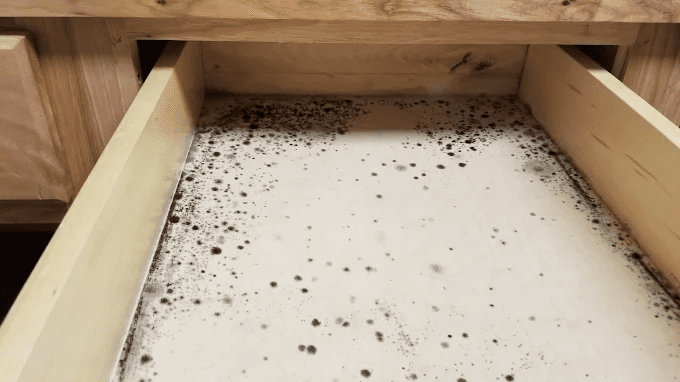
Another reason speed is essential is the rapid onset of microbial growth. Mold spores are present virtually everywhere, including in homes across Nampa. When excess moisture is introduced and left unaddressed, mold can begin to grow in as little as 24 to 48 hours. Prompt extraction significantly reduces the amount of moisture available for mold to feed on, buying crucial time for drying, dehumidification, and sanitation. The faster the water is removed, the lower the risk of needing extensive mold remediation and the associated health concerns.
Fast action also protects the mechanical and electrical systems in your home. Standing water can damage wiring, outlets, and HVAC components, increasing the risk of electrical hazards and expensive repairs. By quickly extracting water and assessing affected areas, a professional team like Allay Disaster Cleanup Services can help identify potential safety issues early. This allows for targeted interventions that preserve as much of your home’s infrastructure as possible and keep your family safe during the recovery process.
From a financial standpoint, immediate extraction can dramatically reduce overall restoration costs. Salvaging carpet, padding, and portions of drywall instead of replacing them entirely can save thousands of dollars. Insurance companies also understand the importance of rapid response, and many policies require policyholders to take reasonable steps to mitigate further damage. Promptly contacting a professional water damage restoration company in Nampa demonstrates that you are doing your part, which can simplify the claims process and support better outcomes.
What Immediate Extraction Really Involves
Many homeowners imagine water extraction as simply using a wet vacuum to suck up puddles, but professional extraction is far more sophisticated. When Allay Disaster Cleanup Services arrives at a water-damaged home in Nampa, the first step is a detailed assessment. Technicians inspect the affected areas, identify the source of the water, classify the level of contamination, and use moisture meters and thermal imaging cameras to determine how far the water has spread. This evaluation guides the strategy for extraction and drying.
Once the scope of the damage is understood, technicians deploy powerful, truck-mounted extraction units and specialized portable equipment. These machines generate far more suction than consumer-grade shop vacuums, allowing them to pull water out of carpets, padding, and even some subfloor materials with impressive efficiency. In multi-level homes or tight spaces, portable extractors and weighted extraction tools are used to press down on flooring and force water up and out. The goal is to remove as much liquid water as possible before moving to the drying phase.
During immediate extraction, professionals also focus on removing water from hidden and hard-to-reach areas. Water trapped under cabinets, behind walls, or inside wall cavities can cause long-term damage if left in place. Technicians may remove baseboards, drill small access holes, or carefully detach sections of drywall to create pathways for water to escape and for air movement during drying. This precision work requires training and experience to minimize unnecessary demolition while still addressing all moisture pockets.
After bulk water is extracted, the team begins setting up drying and dehumidification equipment. High-velocity air movers are positioned to promote evaporation from wet surfaces, while commercial-grade dehumidifiers capture moisture from the air and drain it away. This step is directly connected to immediate extraction, because the more water that is physically removed at the start, the faster and more efficient the drying process will be. Continuous monitoring with moisture meters ensures that progress is measured, and adjustments are made until materials reach acceptable dryness levels.
Types of Water Damage Homeowners Face
Not all water damage is the same, and understanding the differences helps explain why immediate extraction may be handled differently from one home to another. Clean water, often from broken supply lines or appliance failures, is the least contaminated type and is generally safe to handle if addressed quickly. However, even clean water can become contaminated over time as it comes into contact with building materials, dirt, and other substances. Fast extraction in these cases can often save carpets, upholstery, and many structural components.
Gray water involves some level of contamination and may come from sources like washing machine overflows, dishwasher leaks, or sump pump failures. This water can contain detergents, food residues, and other contaminants that require more cautious handling. Immediate extraction is still critical, but technicians will also focus on sanitizing affected surfaces and may need to remove certain materials that cannot be safely cleaned. In Nampa homes, gray water incidents are common in laundry rooms, kitchens, and finished basements.
Black water is the most hazardous category and includes sewage backups, floodwater from rivers or creeks, and any water that may contain pathogens, chemicals, or organic waste. In these situations, immediate extraction is vital not only for property protection but also for health and safety. Technicians from Allay Disaster Cleanup Services wear appropriate protective gear, follow strict protocols, and typically remove porous materials such as carpet, padding, and certain drywall sections that have been contaminated. The extraction process is combined with intensive cleaning, disinfection, and often more extensive reconstruction.
The type of water involved influences every aspect of the response, from the equipment used to the areas that can be salvaged. For Nampa residents, this means that calling a professional as soon as water damage is discovered ensures the right classification and the correct plan from the outset. Attempting DIY extraction without understanding the contamination level can expose your household to unnecessary health risks and may spread contaminants to previously unaffected areas.
Hidden Dangers of Delayed Extraction
When homeowners see water on the floor and think, “I’ll deal with it after work,” they often underestimate how quickly hidden damage develops. Water naturally seeks the lowest point and the path of least resistance, which often leads it into subfloors, wall cavities, and insulation. Even if the surface appears to dry, moisture trapped inside these spaces remains, leading to warping, swelling, and deterioration over time. In wood-frame homes common in Nampa, this can mean compromised joists, buckling floors, and sagging ceilings weeks or months after the initial incident.
Another hidden danger is mold growth behind walls and under flooring. Because these areas are not immediately visible, mold can spread extensively before any musty odors or visible spots appear. By the time homeowners notice signs of mold, remediation often requires removing large sections of drywall, flooring, and insulation. Immediate water extraction, followed by thorough drying and monitoring, is one of the most effective ways to prevent these hidden colonies from forming and spreading through your home’s air and surfaces.
Delayed extraction also increases the risk of secondary damage to finishes and personal belongings. Furniture legs sitting in water can wick moisture up into the frame, causing staining and structural damage. Books, photos, and important documents stored in low cabinets or on the floor can be irreparably harmed in just a few hours. Quick extraction and content handling, including moving items to dry areas and setting up targeted drying for valuable possessions, can dramatically improve what can be saved.
Finally, there are safety issues that may not be immediately obvious. Water can undermine the integrity of load-bearing elements, especially if it infiltrates for an extended period. Saturated ceilings can become dangerously heavy and may collapse without warning. Electrical systems can also be compromised, creating shock or fire hazards. When Allay Disaster Cleanup Services responds quickly to a water emergency in Nampa, part of their role is to identify these risks early and coordinate with electricians, plumbers, or structural professionals if needed, ensuring the home remains safe throughout the restoration process.
Why Professional Help Beats DIY
With wet/dry vacuums and rental equipment available at many hardware stores, some homeowners are tempted to tackle water extraction on their own. While small spills may be manageable, significant water intrusion is a different story. Consumer-grade vacuums lack the power and capacity to remove large volumes of water quickly, especially from saturated carpets, pads, and subfloors. By the time a homeowner has made multiple trips to empty a small tank, water has often spread further and seeped deeper, making the job harder and more expensive in the long run.
Professional teams bring not only specialized equipment but also extensive training and experience. Technicians understand how different building materials respond to water, how to map moisture migration, and how to set up efficient drying systems. They can distinguish between materials that can be dried and salvaged versus those that must be removed to avoid future problems. In Nampa, where homes vary from older structures with unique quirks to newer construction with modern materials, this expertise helps ensure that each property receives a tailored approach rather than a one-size-fits-all attempt.
Another advantage of professional extraction is comprehensive documentation. Insurance claims related to water damage often require detailed records, including moisture readings, photographs, and notes about the source and category of water. A company like Allay Disaster Cleanup Services can provide this documentation, which supports your claim and helps demonstrate that you took immediate and appropriate action. Handling everything yourself may leave gaps in the record and make it harder to secure full coverage for necessary repairs.
Professionals also integrate extraction with the broader restoration process. Immediate water removal is just the beginning; complete recovery includes drying, cleaning, possible odor control, and sometimes reconstruction. Coordinating these steps efficiently minimizes disruption and speeds up the return to normal life. Rather than juggling multiple contractors and trying to guess what comes next, homeowners who call a full-service disaster cleanup team in Nampa benefit from a coordinated plan that addresses every phase from emergency response to final touches.
Preparing Your Home Before Disaster Strikes
While no homeowner can prevent every water emergency, a bit of preparation can make immediate extraction smoother and more effective if it is ever needed. One of the simplest steps is to know where your main water shut-off valve is located and how to use it. In the event of a burst pipe or appliance failure, shutting off the water supply quickly can limit the volume of water released into your home. Labeling the valve and making sure all family members know its location can shave precious minutes off your response time.
Routine maintenance also plays a role in prevention. Inspecting appliance hoses, water heater connections, and plumbing lines for signs of wear can help you replace failing components before they break. In Nampa’s colder months, protecting pipes from freezing with insulation and maintaining indoor temperatures can reduce the risk of burst pipes. Ensuring that gutters and downspouts are clear and directing water away from your foundation can help prevent seepage into basements and crawl spaces during heavy rain or snowmelt.
It is also wise to create a simple emergency plan that includes contact information for local water damage professionals. Storing the number for Allay Disaster Cleanup Services where it is easily accessible, such as in your phone and on the refrigerator, means you can call for help immediately instead of searching for a provider while water continues to spread. Consider identifying safe places to move valuable items off the floor and keep important documents in waterproof containers or higher locations in your home.
Finally, review your homeowner’s insurance policy so you understand what types of water damage are covered and any requirements for mitigation. Knowing your deductible, coverage limits, and preferred contractor processes can help you make quick, informed decisions during an emergency. When disaster does strike, this preparation, combined with immediate water extraction by experienced professionals, gives you the best chance to protect your property and minimize disruption to your life.
Frequently Asked Questions
How soon should I call for water extraction after discovering damage? You should call for professional water extraction as soon as you notice water where it should not be, even if the area seems small. Water spreads quickly and can start damaging materials within minutes. In Nampa, local teams like Allay Disaster Cleanup Services are equipped for rapid response, often arriving the same day to begin assessment and extraction. Waiting to see if it “dries on its own” usually leads to deeper damage, higher repair costs, and a greater risk of mold growth.
Can I handle water extraction myself with a shop vacuum? A shop vacuum can be helpful for very minor spills, but it is not sufficient for real water damage events. These vacuums lack the power to pull water from carpet padding, subfloors, and hidden areas. They also require frequent emptying, which slows down the process and allows water to continue spreading. Professional extraction uses high-capacity, high-suction equipment and includes moisture mapping, drying, and monitoring, which are essential for fully restoring your home and preventing lingering issues.
How long does the water extraction and drying process take? The extraction phase itself is often completed within several hours, depending on the size of the affected area and the volume of water. However, the drying process typically takes longer, usually between 2 to 5 days for most residential situations. Technicians will place air movers and dehumidifiers and return regularly to measure moisture levels and adjust equipment. Factors such as building materials, temperature, humidity, and the category of water all influence the total time needed for complete drying.
Will all my flooring and walls need to be removed? Not necessarily. One of the benefits of immediate, professional water extraction is that it increases the chances of saving materials. Clean water incidents addressed quickly may allow carpets, padding, and drywall to be dried in place. However, if water has been present for an extended period, or if the water is contaminated (such as sewage or floodwater), some materials may need to be removed for safety and to prevent long-term problems. Allay Disaster Cleanup Services evaluates each situation in Nampa homes individually to determine what can be safely salvaged.
How can I reduce the risk of mold after water damage? The most effective way to reduce mold risk is to remove water and moisture as quickly as possible. Immediate extraction, followed by thorough drying and dehumidification, deprives mold spores of the moisture they need to grow. Professional teams also clean and sometimes apply antimicrobial treatments to affected surfaces, especially in areas that were heavily saturated. If you suspect mold has already developed, it is important to address it promptly with appropriate remediation services, such as those described in resources like Mold Remediation, to protect both your property and your health.