
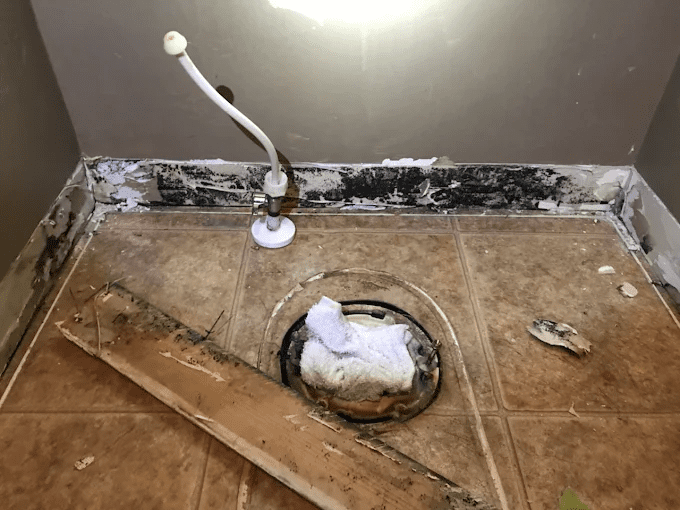
Most people assume fire damage restoration is just about cleaning soot, repainting, and getting rid of the smoke smell. They picture a few industrial fans, some scrub brushes, and maybe a coat of primer, and think that’s the whole process. In reality, proven fire damage restoration techniques are far more technical, methodical, and science-driven than most homeowners in Nampa, ID realize. What you can see – the blackened walls, the warped cabinets, the charred framing – is only part of the story. The hidden damage inside walls, in the HVAC system, and deep within porous materials can continue to cause problems long after the flames are gone.
Another thing people get wrong is timing. Many think they should wait until the insurance claim is fully sorted out before calling a restoration company. But proven techniques in fire restoration depend heavily on speed: the faster specialized teams like Allay Disaster Cleanup Services can stabilize the site, the more of your home and belongings can be saved. Soot residues become more acidic over time, smoke odor molecules penetrate deeper, and water from firefighting efforts can trigger mold growth. The difference between a home that is restored and one that needs major reconstruction often comes down to the first 24–72 hours and whether those proven techniques were put into action quickly.
Uncovering what actually works in fire damage restoration means looking beyond quick fixes and focusing on processes that are tested, repeatable, and grounded in building science. In Nampa’s climate, with its temperature swings and dry air, fire-damaged materials react differently than they do in more humid regions. That’s why local expertise from a company like Allay Disaster Cleanup Services matters. The techniques used must match not only the type and extent of the fire, but also the building materials common in Nampa homes and businesses, and the way smoke moves through those structures. Let’s break down what truly effective, proven fire damage restoration looks like when it’s done right.
Understanding Fire Damage Types
Not all fires are the same, and proven restoration techniques always start with identifying the type of fire and residue involved. A protein fire from a kitchen mishap leaves a thin, sticky, almost invisible residue that carries a powerful odor and clings to surfaces in ways traditional cleaning products can’t handle. A synthetic fire, where plastics, carpets, and electronics burn, produces greasy, smeary soot that smudges when wiped. Natural material fires, fueled by wood, paper, and textiles, leave behind a drier, powdery residue that behaves differently on walls, ceilings, and contents.
In Nampa homes, a single fire can involve all three categories: cooking oils from the kitchen, plastic toys or electronics in living spaces, and wood framing and furniture throughout. Allay Disaster Cleanup Services technicians are trained to perform a detailed residue assessment, sometimes using dry sponges or test cleaning in specific areas to see how the soot reacts. This assessment guides every step that follows. If you treat greasy soot like dry soot, you can drive contaminants deeper into surfaces, making odor removal harder. If you scrub protein residues with the wrong solution, you can etch painted surfaces and leave permanent marks.
Another dimension of fire damage is heat distortion and structural impact. Even if flames never reached a certain room, radiant heat can warp vinyl windows, delaminate countertops, and weaken adhesives. Smoke can travel through tiny openings, electrical outlets, and HVAC ducts, settling in areas that appear untouched at first glance. Proven techniques require inspecting attics, crawlspaces, and ductwork, not just the visibly burned areas. In Nampa’s many split-level and multi-story homes, smoke movement can be complex, and missing hidden pockets of contamination is one of the biggest mistakes untrained cleaners make.
Finally, water and chemical residues from firefighting efforts complicate the picture. The same water that saved your home from total loss can saturate drywall, insulation, and flooring, creating conditions for mold growth if not properly extracted and dried. Fire suppression agents can leave films that react with soot and building materials. Proven restoration methods integrate fire, smoke, and water damage strategies into one coordinated plan instead of treating them as isolated problems.
Stabilization And Safety First
Before any detailed cleaning or deodorizing can begin, a professional team focuses on stabilization and safety. This step is often overlooked by property owners eager to start washing walls or salvaging belongings. However, entering a fire-damaged structure in Nampa without proper assessment can expose you to structural hazards, electrical risks, and airborne contaminants. Allay Disaster Cleanup Services begins with a safety walkthrough, checking for compromised roof structures, weakened floor joists, and damaged utilities.
One key stabilization technique is board-up and roof tarping. If windows are broken or sections of roof are damaged, the structure is vulnerable to weather, vandalism, and animal intrusion. In Idaho’s changing seasons, even a short rain or wind event can turn a contained problem into a much larger one. By sealing openings and covering roof damage, restoration professionals protect the interior from additional moisture and debris, preserving materials that might otherwise be salvageable.
Another critical early step is controlling power, gas, and water. Electrical systems exposed to fire or heavy water need evaluation by qualified professionals before reactivation. Proven techniques involve isolating circuits, locking out unsafe systems, and using temporary power sources for restoration equipment when appropriate. Gas leaks or damaged lines are also addressed immediately. These measures might feel like delays, but they are actually foundational steps that prevent secondary damage and ensure the rest of the restoration can proceed safely.
Finally, stabilization includes initial debris removal and hazard mitigation. Sharp objects, unstable contents, and fallen building materials are cleared from walkways. In some cases, temporary shoring or bracing is installed to support weakened structural components. This creates a safer environment for both the restoration team and the property owner and sets the stage for the more detailed, technical work to come.
Targeted Soot And Smoke Removal
Once the site is secure, proven fire damage restoration techniques turn to the systematic removal of soot and smoke residues. The first rule professionals follow is to work from the top down: ceilings, upper walls, and overhead fixtures are addressed before lower surfaces. Dry cleaning methods, such as specialized soot sponges, are often used initially to lift loose residues without smearing. Wet cleaning solutions are then selected based on the type of soot, the material being cleaned, and the level of damage.
For painted walls and finished surfaces, technicians from Allay Disaster Cleanup Services may use alkaline or neutral cleaning agents that break down soot without stripping paint or damaging finishes. On more delicate materials like artwork, electronics, and certain fabrics, they might employ foam cleaning or even refer items for specialty restoration. In Nampa, where many homes feature textured walls and ceilings, cleaning requires particular care; aggressive scrubbing can damage texture and create patchy, uneven results that are hard to disguise later.
Porous materials such as unfinished wood, drywall, and some types of stone can hold onto smoke residues and odors long after the surface appears clean. Proven techniques involve not only surface cleaning but also evaluating whether materials can be salvaged or should be removed. For example, drywall that shows heavy smoke staining or has absorbed significant odor may be more cost-effective to replace than to treat. Insulation in attics and walls is another frequent casualty; because it traps odor molecules so effectively, it often must be removed and replaced to truly eliminate smoke smells.
Contents cleaning is a specialized subset of soot and smoke removal. Furniture, clothing, books, and personal items are carefully inventoried, packed out, and cleaned using methods appropriate to each material. Washable fabrics may go through multiple cycles with specialized detergents. Electronics and appliances require cautious, targeted cleaning to avoid further damage. Proven processes include documentation for insurance purposes, which is particularly helpful for Nampa homeowners navigating complex claims after a fire.
Odor Elimination That Actually Works
One of the most stubborn legacies of a fire is the lingering smoke odor that seems to cling to everything. Many property owners try candles, air fresheners, and home remedies, only to find that the smell returns as soon as the home is closed up again. Proven odor elimination techniques focus on three principles: remove the source, clean thoroughly, and then treat remaining odors with professional-grade deodorization methods.
Removing the source means identifying and eliminating charred materials, heavily smoke-impregnated items, and contaminated insulation or drywall. As long as these odor reservoirs remain, no amount of surface deodorizing will provide lasting relief. Allay Disaster Cleanup Services teams in Nampa are trained to trace odors back to their origins, often finding hidden pockets of burned material in attics, wall cavities, or behind cabinets.
Once physical sources are removed and surfaces are cleaned, advanced deodorization techniques come into play. Ozone treatment, for example, can be used in unoccupied spaces to break down odor-causing molecules at the molecular level. Thermal fogging is another proven method, where a heated deodorizing fog is dispersed to penetrate crevices and porous materials in much the same way smoke did during the fire. Hydroxyl generators offer an odor-neutralizing option that can sometimes be used while areas are occupied, depending on the situation.
In Nampa’s climate, where windows may be kept closed during colder months, thorough odor removal is especially important; stale indoor air can magnify any remaining smoke smells. Technicians may combine multiple approaches, including sealing certain structural surfaces with specialized primers that lock in residual odors before repainting. The result, when done correctly, is a home or business that not only looks clean but also smells neutral, with no reminder of the fire.
Drying, Dehumidification, And Mold Prevention
Because firefighting efforts often involve large amounts of water, proven fire restoration is never just about soot and smoke. Water trapped in building materials can lead to swelling, warping, and mold growth if not addressed quickly. In Nampa, where temperature swings can accelerate condensation and moisture movement, this step is crucial. Allay Disaster Cleanup Services uses moisture meters and thermal imaging to locate wet areas that may not be obvious to the naked eye.
Once moisture is mapped, targeted extraction and drying begin. Industrial-grade extractors remove standing water from floors and carpets. Air movers and dehumidifiers are then strategically placed to create controlled airflow and humidity reduction. Proven techniques involve monitoring conditions daily, adjusting equipment placement, and tracking progress until materials reach acceptable moisture levels. Skipping this monitoring phase is one of the biggest errors in DIY cleanup; what feels dry to the touch can still harbor enough moisture to support mold growth.
Building materials are evaluated for salvageability. Carpet padding, for example, is often replaced after significant water exposure because it can hold large amounts of moisture and contaminants. Baseboards may be removed to allow airflow into wall cavities. In some cases, small sections of drywall are cut away to speed drying and prevent hidden mold. These steps may seem invasive, but they are far less disruptive than dealing with a full-blown mold problem months later.
Although the focus of this article is fire restoration, it is worth noting that the principles of moisture control and structural drying overlap with other services like Mold Remediation. Nampa property owners benefit when their restoration provider understands both sides of this equation and can design a plan that prevents one disaster from turning into another.
Rebuilding And Finishing Strong
After cleaning, deodorizing, and drying are complete, the final phase of proven fire damage restoration is rebuilding and finishing. This is where the property starts to feel like home again. Structural repairs might include replacing framing members, installing new drywall, reconstructing stairways, or rebuilding damaged roof sections. Allay Disaster Cleanup Services coordinates these repairs with code requirements in Nampa and Canyon County, ensuring that the restored structure is not just visually appealing but also safe and compliant.
Finishes such as paint, flooring, trim, and cabinetry are selected and installed to match or improve upon pre-loss conditions. In many cases, homeowners take this opportunity to make upgrades, like more fire-resistant materials or modernized layouts. Proven restoration techniques emphasize proper surface preparation before painting or refinishing, including sealing any previously smoke-exposed surfaces with the right primers to prevent bleed-through or future odor issues.
One of the most important yet overlooked aspects of this phase is quality control. A thorough restoration provider will walk through the property with the owner, checking for any remaining odors, visual imperfections, or functional issues like sticking doors or misaligned cabinets. In Nampa, where seasonal changes can reveal hidden construction flaws, attention to detail matters. Proper documentation, including photos and repair notes, also supports the insurance claim process and provides peace of mind.
By the end of this phase, the goal is not just to erase visible signs of the fire, but to restore the home or business to a condition that feels solid, clean, and trustworthy. When proven techniques are followed from the first emergency call through the final walkthrough, the property owner is left with a space that is truly recovered, not just cosmetically patched up.
Frequently Asked Questions
How soon after a fire should I call a restoration company? You should contact a professional restoration company like Allay Disaster Cleanup Services as soon as the fire is out and the property is released by the fire department. Early intervention within the first 24–72 hours is critical. Soot becomes more corrosive over time, smoke odors penetrate deeper, and water from firefighting can start causing mold growth. Quick action in Nampa’s climate can significantly increase what can be salvaged and reduce overall repair costs.
Can I clean smoke and soot myself with household products? Light surface soot in small areas can sometimes be wiped away, but attempting full-scale cleaning with standard household products often makes things worse. Many cleaners can smear soot, drive residues deeper into porous materials, or react chemically with smoke deposits, causing staining and lingering odors. Proven techniques use specialized dry sponges, carefully chosen cleaning agents, and controlled methods that match the specific type of soot and surface involved. For anything beyond minor, isolated residue, it is safer and more effective to rely on trained professionals.
Will all smoke odors be completely removed? When proven fire damage restoration techniques are properly applied, smoke odors can be eliminated to the point where they are no longer detectable in everyday living. This requires a combination of source removal, thorough cleaning, and advanced deodorization methods such as ozone or thermal fogging. If any charred materials, contaminated insulation, or untreated surfaces remain, odors can persist. A comprehensive approach, like the one Allay Disaster Cleanup Services uses in Nampa, is designed to address both visible and hidden odor sources.
How long does fire damage restoration usually take? The timeline varies widely based on the size of the property, the severity of the fire, and the extent of structural damage. A small, contained kitchen fire with limited smoke spread might be cleaned and restored in a few days to a couple of weeks. Larger fires involving multiple rooms, structural repairs, and extensive contents cleaning can take several weeks or even a few months. Factors such as permitting, material availability, and insurance approvals also influence the schedule. A reputable restoration company will provide a projected timeline after completing their initial assessment.
Are my belongings salvageable after a fire? Many belongings can be salvaged, especially if restoration begins quickly and items are not heavily charred or melted. Hard goods like dishes, some furniture, and non-porous items often respond well to professional cleaning. Textiles, clothing, and soft goods can sometimes be restored using specialized laundering and deodorizing processes. However, items with heavy smoke penetration, structural damage, or safety concerns (such as certain electronics) may not be cost-effective or safe to restore. Allay Disaster Cleanup Services will inventory your contents, advise what can likely be saved, and document losses to support your insurance claim.