
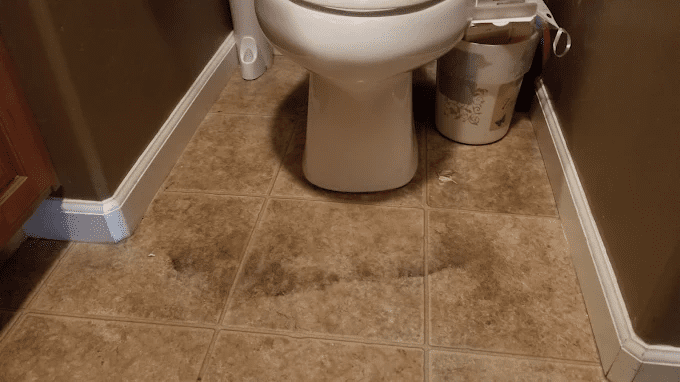
By the time the last fire engine pulls away, the real weight of what just happened starts to sink in. The smell of smoke hangs in the air, windows are blackened, and what used to be a familiar living room in Nampa now looks like a scene from a movie. You notice water pooling on the floor from firefighting efforts, soot clinging to every surface, and personal belongings scattered and charred. In that moment, it can feel impossible to imagine your home or business ever feeling normal again.
This is where fire damage restoration becomes more than a technical process; it becomes your roadmap back to stability. Fire doesn’t just burn what it touches. Heat warps building materials, smoke seeps into walls and vents, and the water and chemicals used to put out the flames can cause additional damage if not handled quickly. The steps to recovery are specific and time-sensitive, and trying to tackle them alone often leads to hidden problems, lingering odors, or even health risks.
For property owners in Nampa, ID, understanding what happens between “fire out” and “home restored” is crucial. Allay Disaster Cleanup Services specializes in guiding families and businesses through this transition, from the first assessment to the final coat of paint. Knowing the steps ahead of time won’t make the fire any less traumatic, but it will help you make smart decisions, avoid costly mistakes, and regain a sense of control over the situation.
Safety And Initial Assessment
The first step after any fire is ensuring that everyone is safe and that the property is structurally sound. Even if flames were contained to a single room, the rest of the building may have hidden damage. Roof trusses can be weakened, floors may be saturated with water, and electrical systems might be compromised. Before you re-enter, it is vital to get clearance from the fire department or a qualified professional. Walking into a fire-damaged structure without this confirmation can put you at risk of collapse, electrical shock, or exposure to hazardous residues.
Once the property is deemed safe to enter, a detailed assessment begins. This is more than just looking around and taking a few photos. Trained restoration technicians from Allay Disaster Cleanup Services examine the extent of structural damage, smoke penetration, soot deposits, and water saturation. They look behind walls, into attics and crawl spaces, and around mechanical systems to get a complete picture of what the fire actually did. This evaluation forms the basis for the entire restoration plan.
During this phase, documentation is critical, especially for insurance claims. Technicians will photograph and catalog damaged areas, note the condition of personal belongings, and identify items that may be salvageable. In Nampa, where many homes blend older construction with newer additions, the assessment also considers building codes and local requirements that might affect how repairs are completed. The result is a clear, written scope of work that outlines what needs to be done, how long it might take, and what it will cost.
Securing The Property
After the initial assessment, the next priority is preventing any further damage or loss. Fire-damaged properties are vulnerable. Broken windows, damaged doors, and compromised roofs can leave your home or business open to weather, vandalism, or even wildlife. In the Nampa area, wind, rain, or winter conditions can quickly make a bad situation worse if the structure is not properly secured.
Board-up services are typically one of the first physical tasks performed. This involves covering broken windows and doors with sturdy materials to keep out the elements and unauthorized visitors. Technicians may also install temporary locks or barriers to ensure the property is protected. If the roof has been damaged, they will often apply tarps or temporary coverings to prevent water intrusion until permanent repairs can be made.
Securing the property is also important from an insurance and liability standpoint. Leaving a damaged building open can lead to additional losses that may not be fully covered by your policy if they are seen as preventable. By having Allay Disaster Cleanup Services promptly secure your Nampa property, you help preserve the structure, safeguard your belongings, and demonstrate that you are taking reasonable steps to mitigate further damage.
Water Removal And Drying
Many people are surprised to learn that water damage is often just as destructive as the fire itself. Firefighters may use thousands of gallons of water to extinguish a blaze, saturating walls, floors, ceilings, and personal items. If that moisture is not removed quickly, it can lead to mold growth, wood rot, and deterioration of building materials within days. This is why water removal and drying are such critical early steps in the fire damage restoration process.
Professional restoration teams use specialized equipment to extract standing water from floors, carpets, and other surfaces. Submersible pumps, wet vacuums, and extraction tools are employed to remove as much water as possible, as quickly as possible. This is followed by a strategic drying plan that typically includes air movers, dehumidifiers, and sometimes heat drying systems to pull moisture out of walls, studs, and subfloors.
In Nampa’s variable climate, managing indoor humidity during this stage is especially important. If the drying process is rushed or incomplete, moisture can remain trapped inside building cavities, leading to serious problems later on. Allay Disaster Cleanup Services uses moisture meters and thermal imaging to confirm that hidden areas are properly dried. This scientific approach ensures that restoration is built on a stable, dry foundation, rather than masking underlying issues that could resurface months down the road.
Soot, Smoke, And Odor Removal
Once the water is addressed, attention turns to one of the most challenging aspects of fire damage: soot and smoke. Unlike visible charring, smoke damage can travel far beyond the area where flames were present. It infiltrates ventilation systems, seeps into insulation, and clings to porous materials like drywall, fabrics, and wood. If not properly cleaned, smoke residues can cause long-term discoloration, corrosion of metals, and persistent, unpleasant odors.
Soot is not a single substance; its composition varies depending on what burned. Plastics, synthetic materials, and natural fibers all produce different types of residues that require different cleaning methods. Using the wrong technique or cleaning product can actually drive soot deeper into surfaces or cause additional staining. Professional technicians are trained to identify the type of soot present and choose the right combination of dry cleaning, wet cleaning, chemical sponges, and specialized solutions to remove it safely.
Odor elimination is another complex task. Simply airing out the building or using air fresheners will not solve the problem. Smoke particles can embed themselves deep within materials and continue to release odor over time. Allay Disaster Cleanup Services uses advanced deodorization methods such as thermal fogging, ozone treatment, or hydroxyl generators to neutralize odors at the molecular level. HVAC systems are also inspected and cleaned, since ducts can act as pathways that spread smoke smell throughout the property. The goal is to restore a clean, fresh environment where no one is reminded of the fire every time they walk through the door.
Cleaning, Contents, And Restoration
With structural drying and soot removal underway, the focus begins to shift toward cleaning and restoring the contents of the property. This includes furniture, clothing, electronics, documents, and personal items that may hold both financial and sentimental value. Rather than discarding everything that was exposed to smoke, professionals evaluate what can be restored and what must be replaced. This careful triage can save homeowners in Nampa significant costs and preserve cherished belongings that might otherwise be written off.
Contents cleaning may occur on-site or at an off-site facility, depending on the extent of the damage and the condition of the structure. Items are inventoried, packed out, and transported to a secure location where they undergo specialized cleaning processes such as ultrasonic cleaning for delicate items, dry cleaning for textiles, and electronics restoration for devices. Throughout this process, detailed records are kept to support insurance claims and ensure that everything is tracked and returned.
At the same time, structural cleaning and repairs move forward. Walls, ceilings, floors, and fixtures are cleaned, deodorized, and prepped for repair or replacement. Damaged drywall, insulation, and flooring materials are removed and replaced as needed. In some cases, this is also an opportunity to improve or update parts of the home or business during the rebuild phase. While the primary goal is to restore the property to its pre-loss condition, many Nampa residents choose to make upgrades or code-related improvements as part of the recovery process.
Rebuilding And Returning Home
The final stage of fire damage restoration is the reconstruction and finishing work that makes the structure fully livable or usable again. This can range from minor repairs, such as replacing a few sections of drywall and repainting, to major rebuilding of entire rooms or structural components. Carpenters, electricians, plumbers, and other trades may be involved to ensure everything meets current building codes and safety standards.
Coordination is key during this phase. Allay Disaster Cleanup Services manages the project timeline, communicates with insurance adjusters, and keeps property owners informed about progress and next steps. This coordination helps avoid delays, misunderstandings, and gaps between different contractors. For home and business owners in Nampa, having a single point of contact throughout the recovery process reduces stress and provides clarity during a time that can otherwise feel overwhelming.
When reconstruction is complete, a final walkthrough is conducted to confirm that the work meets quality standards and that all requested repairs have been addressed. This is also when any remaining contents are returned and placed back in the home or business. The moment you can step into a clean, safe, fully restored space after a fire is significant. It marks the transition from crisis to recovery, and it is the ultimate goal of every step taken along the way.
Working With Insurance And Local Support
Fire damage restoration is not just about hammers, fans, and cleaning solutions; it is also about navigating the financial and administrative side of recovery. Insurance claims can be complex, and the terminology used in policies is not always easy to interpret when you are already under stress. Understanding what is covered, how depreciation works, and what documentation is required can make a big difference in how smoothly your claim is processed.
Experienced restoration companies in Nampa, like Allay Disaster Cleanup Services, regularly work with insurance carriers and adjusters. They can provide detailed estimates, photographs, and reports that support your claim and help minimize disputes about scope or cost. While they do not represent the insurance company, they do understand the expectations and processes involved, which can help you avoid common pitfalls and delays.
Beyond insurance, local support networks can play a role in recovery as well. Community organizations, neighbors, and local resources may be able to assist with temporary housing, basic necessities, or emotional support. Fire is a deeply disruptive event, and having a restoration partner who understands the local context of Nampa and the Treasure Valley can connect you with additional help if needed. Recovery is not just about repairing a building; it is about helping people regain their footing after an unexpected and often traumatic event.
Frequently Asked Questions
How soon should I start fire damage restoration after the fire? Restoration should begin as soon as the property is cleared as safe to enter by authorities. Soot and smoke residues can start causing permanent damage within hours, and water left behind can lead to mold growth within 24–48 hours. Contacting a professional team like Allay Disaster Cleanup Services in Nampa right away allows them to secure the property, start drying, and begin cleaning before damage worsens. The quicker the response, the more likely it is that materials and belongings can be salvaged.
Can I clean up fire and smoke damage myself? While you can handle small tasks like opening windows for ventilation if it is safe, most fire and smoke cleanup is best left to professionals. Soot can be acidic and harmful to breathe, and using household cleaners or vacuuming the wrong way can actually spread residues or drive them deeper into surfaces. In addition, there may be structural or electrical hazards you cannot see. Professional technicians have the training, equipment, and protective gear needed to do the job safely and effectively, protecting both your health and your property.
Will the smoke smell ever fully go away? With proper restoration, smoke odor can be fully eliminated, not just covered up. This requires a combination of thorough cleaning of all affected surfaces, cleaning or replacing porous materials that absorbed smoke, and using advanced deodorization techniques. Methods like thermal fogging, ozone, or hydroxyl treatment neutralize odor-causing particles rather than simply masking them. When Allay Disaster Cleanup Services completes a project in Nampa, the goal is for the property to smell fresh and clean, with no lingering reminder of the fire.
How long does the fire damage restoration process take? The timeline depends on the extent of the damage, the size of the property, and the complexity of repairs. Minor fires that affect one room and require limited structural work might be resolved in a few weeks. Larger fires involving multiple rooms, heavy smoke damage, and significant rebuilding can take several months from start to finish. The process typically includes assessment, securing, drying, cleaning, contents restoration, and reconstruction. Your restoration provider should give you a projected schedule and keep you updated as work progresses.
Does fire damage restoration also cover other types of damage? Fire events often involve multiple types of damage: fire, smoke, soot, and water from firefighting efforts. Comprehensive fire damage restoration addresses all of these. In some cases, properties may also experience related issues like roof damage from storms or exposure to the elements after the fire. Companies like Allay Disaster Cleanup Services can coordinate with related services, including Storm Damage Cleanup, to ensure that your Nampa property is fully repaired and protected, no matter how many different factors contributed to the damage.