
One day your home smells normal, and the next there’s a musty, damp odor you can’t quite track down. Maybe you notice dark speckles creeping along a bathroom ceiling, or a fuzzy patch on the wall behind a piece of furniture. Mold rarely announces itself with fanfare; it spreads quietly, feeding on moisture and building materials, weakening surfaces, and affecting indoor air long before it becomes obvious. By the time most Nampa homeowners see visible growth, mold has often already colonized hidden areas, riding on humidity, leaks, or past water damage.
Effective mold remediation is not just about scrubbing stains off drywall. It is a coordinated strategy that stops the spread of spores, removes contaminated materials safely, dries and stabilizes the structure, and prevents the problem from returning. For families in Nampa, ID, where seasonal temperature swings, snowmelt, and irrigation can all contribute to moisture issues, understanding how mold behaves and how professionals like Allay Disaster Cleanup Services tackle it is critical to keeping homes safe and healthy.
Instead of quick fixes or harsh chemicals alone, modern mold remediation focuses on controlling the environment: moisture levels, airflow, and building materials. When these factors are addressed systematically, mold loses its foothold. The following strategies outline how proper inspection, containment, removal, and prevention work together to protect your home and the people who live in it.
Understanding Household Mold
Mold is a type of fungus that thrives wherever it finds three things: moisture, a food source, and moderate temperatures. Unfortunately, most homes in Nampa provide all three. Drywall paper, wood framing, carpet backing, and even dust are excellent food sources for mold. Add in moisture from a leaky roof, a slow plumbing drip, or high indoor humidity, and mold can begin to grow within 24–48 hours.
Not all mold looks the same. It can appear as black spots, green fuzz, white powdery patches, or even orange discoloration. Some molds stay on the surface of materials, while others send roots (hyphae) deep into porous structures like drywall and wood. This is why simple surface cleaning is often not enough; the visible patch may be a small part of a larger colony spreading behind the scenes.
The health impact of mold depends on the type of mold, the size of the colony, and the sensitivity of the people exposed. Some individuals experience allergy-like symptoms such as sneezing, coughing, or eye irritation. Others, especially those with asthma, compromised immune systems, or chronic respiratory conditions, may notice worsened breathing problems. Even if no one in the home feels sick, mold can still degrade building materials and cause odors that never quite go away unless properly remediated.
Understanding these basics helps explain why professional remediation strategies focus on both the visible growth and the invisible spores in the air. Allay Disaster Cleanup Services uses this knowledge to design targeted solutions that go beyond cosmetic cleanup and address the full scope of contamination in Nampa homes.
Finding The Source Of Moisture
No mold remediation project can be successful without identifying and correcting the underlying moisture problem. Mold is a symptom; water is the cause. In Nampa, ID, moisture can come from many sources: roof leaks after a winter storm, condensation in poorly ventilated bathrooms, groundwater seeping into basements or crawlspaces, or even improperly vented dryers dumping humid air indoors.
Professionals start with a detailed inspection of the property. This often includes visual assessment, moisture meter readings in walls and floors, and sometimes infrared cameras to locate hidden damp spots. A discolored ceiling might trace back to a tiny roof penetration; a musty smell in a bedroom could originate from a slow leak in an adjacent bathroom. By tracking water migration paths, remediation teams can map out where mold is likely to be present, even if it is not yet visible.
Once the moisture source is identified, it must be fixed before or during remediation. This may involve repairing roofing, replacing failed caulking around tubs and showers, upgrading exhaust fans, re-grading soil around the foundation, or improving drainage systems. In some cases, especially after flooding or burst pipes, aggressive structural drying with dehumidifiers and air movers is needed to bring moisture levels down to safe ranges.
Allay Disaster Cleanup Services emphasizes this step because without permanent moisture control, mold will simply return. A thorough remediation plan in Nampa always includes a moisture management component, ensuring that the conditions that allowed mold to grow in the first place are eliminated or significantly reduced.
Containment And Airborne Spore Control
When mold is disturbed, it releases microscopic spores into the air. These spores can travel throughout the home, settling in new locations and starting fresh colonies wherever they find moisture. Effective remediation strategies therefore prioritize containment—keeping mold and spores confined to the work area and out of clean spaces.
Professional teams set up containment barriers using plastic sheeting and specialized zipper doors to isolate affected rooms or sections of the home. HVAC vents in the work zone are often sealed to prevent spores from entering the ductwork and spreading through the ventilation system. This step is particularly important in multi-level homes common in the Nampa area, where airflow between floors can be significant.
Negative air pressure machines, equipped with HEPA filters, are used to pull air from the contaminated area and exhaust it outside. This creates a slight vacuum effect so that any air movement flows into the work zone rather than out of it. As a result, airborne spores are captured and removed from the indoor environment instead of drifting into hallways, bedrooms, or living spaces.
During this phase, technicians from Allay Disaster Cleanup Services also use HEPA-filtered air scrubbers to continuously filter the air inside the containment. Over time, this reduces the concentration of spores and particulates, improving air quality and making it safer for both workers and occupants once the space is cleared for re-entry.
Safe Removal And Cleaning Methods
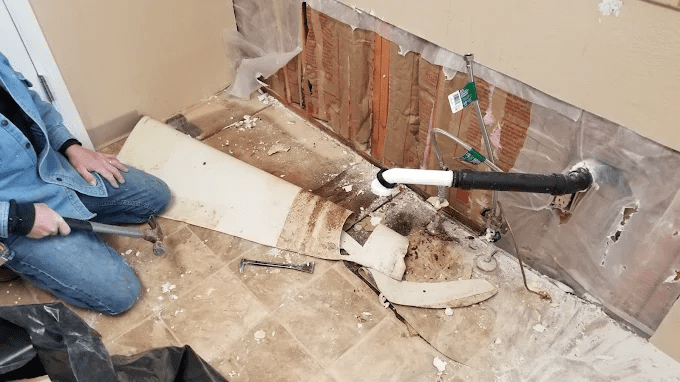
Once containment is established and moisture sources are under control, the focus shifts to removing mold-contaminated materials and cleaning affected surfaces. Not all materials are treated the same way. Porous materials such as drywall, insulation, and some types of ceiling tiles usually cannot be fully cleaned because mold penetrates deep into their structure. These materials are carefully cut out, bagged, and disposed of following safety guidelines to avoid spreading spores.
Semi-porous and non-porous materials—like framing lumber, concrete, metal, and some plastics—can often be cleaned and salvaged. Technicians use a combination of methods such as HEPA vacuuming to remove loose spores, followed by mechanical cleaning (scrubbing) with appropriate cleaning agents. In some cases, sanding or wire brushing is necessary to remove mold from wood surfaces, especially when it has penetrated slightly below the surface.
After physical removal of mold, disinfectant solutions may be applied to help reduce remaining microbial activity. However, professional remediation does not rely on chemicals alone. The primary goal is always physical removal of mold growth and spores; cleaning agents are a supplemental tool, not the main strategy. This distinction is important because simply spraying bleach or other cleaners on visible mold often fails to address hidden colonies and can create a false sense of security.
Allay Disaster Cleanup Services follows industry standards and guidelines to determine which materials can be cleaned and which must be removed. This careful decision-making protects the structural integrity of Nampa homes while ensuring that contaminated materials are not left behind to cause future problems.
Drying, Dehumidification, And Prevention
Even after visible mold is gone, the environment must be stabilized to keep it from returning. Drying and dehumidification are central to this part of the strategy. Professional-grade dehumidifiers and air movers are used to bring moisture levels in walls, floors, and the air down to acceptable levels. Moisture meters are used throughout the process to verify progress rather than relying on guesswork or how dry a surface feels to the touch.
In Nampa’s climate, indoor humidity can fluctuate with the seasons. During wet or cold periods, homes may be closed up more tightly, trapping moisture from showers, cooking, and everyday living. As part of a long-term prevention plan, homeowners may be advised to improve ventilation, use bathroom and kitchen exhaust fans consistently, and consider dehumidifiers in basements or crawlspaces that tend to stay damp.
Insulation and air sealing can also play a role. Poorly insulated walls and ceilings can create cold surfaces where condensation forms, especially in bathrooms and around windows. By improving insulation and sealing drafts, you can reduce the likelihood of condensation and therefore remove another pathway for mold growth. In some cases, upgrading windows or adding vapor barriers in specific areas may be recommended.
Allay Disaster Cleanup Services often pairs mold remediation with broader water damage restoration strategies, such as structural drying and moisture management. By looking at the home as a system rather than a collection of isolated rooms, they help Nampa homeowners create conditions that are far less friendly to mold over the long term.
When To Call Professionals
It can be tempting to tackle mold yourself, especially when the affected area appears small. For truly minor issues—like a light patch of mold on a shower caulk line that you can clean and keep dry—simple DIY cleaning may be sufficient. However, there are several clear warning signs that professional remediation is the safer, more effective choice.
If the mold covers more than a few square feet, keeps coming back after cleaning, or is associated with an unresolved leak or past flooding, the problem is likely deeper than it appears. Strong, persistent musty odors, discoloration spreading along walls or ceilings, or mold appearing in multiple rooms usually indicate that moisture and spores are present throughout a larger area. In these situations, without proper containment and removal, DIY attempts can release more spores into the air and spread contamination.
Health considerations also matter. If anyone in the home has asthma, allergies, respiratory issues, or a weakened immune system, minimizing exposure is critical. Professional teams use personal protective equipment, specialized filtration, and systematic procedures to reduce airborne spores during remediation. This level of control is difficult to achieve with household tools and cleaners.
For homeowners in Nampa, ID, working with a local company like Allay Disaster Cleanup Services offers additional advantages. Local professionals understand common building styles, typical moisture challenges in the area, and how seasonal weather patterns affect homes. They can also coordinate related services such as water extraction, structural drying, and full restoration through resources like their Restoration Services, ensuring that mold remediation is integrated into a broader recovery plan when water damage is involved.
Frequently Asked Questions
How can I tell if I have a serious mold problem? Visible mold growth larger than a dinner plate, mold in multiple rooms, or stains that keep returning after cleaning are strong indicators of a more serious problem. Persistent musty odors, especially in basements, crawlspaces, or around bathrooms, also suggest hidden growth. If you’ve had a roof leak, plumbing leak, or flooding in the past and never had professional drying or inspection, there is a higher chance that mold has developed behind walls or under flooring. In those cases, an assessment by a professional remediation company is recommended.
Is household bleach enough to remove mold? Bleach can sometimes lighten or remove surface staining, but it does not reliably penetrate porous materials where mold often lives. On drywall, wood, and insulation, bleach may kill some surface mold while leaving deeper colonies untouched. It can also add moisture, which is exactly what mold needs to grow. Professional remediation focuses on physically removing contaminated materials and spores, then drying the structure. Cleaning agents are used as part of this process, but they are not the only or primary solution.
How long does professional mold remediation usually take? The timeline depends on the size of the affected area, the complexity of the moisture problem, and how accessible the contaminated materials are. Small, contained projects might be completed in a few days, including drying. Larger jobs involving multiple rooms, extensive demolition, and structural drying can take a week or more. In Nampa, scheduling may also be influenced by weather conditions when exterior repairs or ventilation improvements are needed. A reputable company will provide a clear scope of work and estimated timeline after inspection.
Will mold remediation damage my home? Proper remediation sometimes requires removing drywall, insulation, or other materials that cannot be safely cleaned. While this can feel disruptive, it is done in a controlled way to protect the rest of the home. The goal is to remove only what is necessary and preserve structural components that can be cleaned and restored. After remediation, these areas can be rebuilt, often resulting in a space that is both healthier and more resilient against future moisture problems. Working with professionals helps ensure that demolition is minimized and reconstruction is planned appropriately.
What can I do to prevent mold after remediation is complete? Prevention centers on moisture control and ventilation. Fix leaks promptly, use exhaust fans during and after showers and cooking, and keep indoor humidity ideally between 30% and 50%. In basements or crawlspaces, consider dehumidifiers or vapor barriers if dampness is a recurring issue. Regularly inspect high-risk areas like under sinks, around windows, and near appliances for early signs of moisture. After a remediation project, follow any maintenance recommendations provided by your contractor; these will be tailored to your specific home and the conditions that previously allowed mold to grow.