
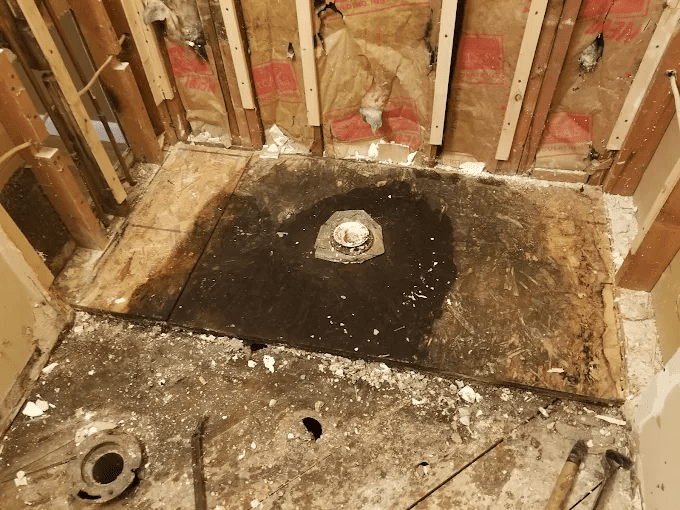
When water rushes into a home or business, it doesn’t arrive politely or wait for business hours. It seeps under walls, soaks into flooring, fills basements, and quietly destroys structural materials long after the visible puddles are gone. In emergency situations like burst pipes, storm flooding, sewer backups, or appliance failures, professional water extraction is the critical first step that determines whether a property can be restored efficiently or faces long-term damage, mold growth, and costly reconstruction. Acting quickly is important, but acting correctly is even more important.
In places like Nampa, ID, where seasonal storms, sudden thaws, and aging plumbing can all trigger water emergencies, property owners often underestimate how aggressively water behaves once it gets inside. What looks like a surface-level issue can already be deep inside subflooring, behind baseboards, and inside wall cavities within hours. Professional water extraction services are designed to interrupt that process immediately, using specialized equipment and proven techniques to pull water out before it can weaken structures, warp materials, or create the perfect environment for mold and bacteria. That is where a local, experienced team like Allay Disaster Cleanup Services becomes more than just a convenience—it becomes a line of defense for your property and health.
Emergency water situations are overwhelming, but understanding what professional extraction actually involves can reduce uncertainty. It is not just about vacuuming standing water; it is a coordinated response that includes inspection, moisture mapping, controlled demolition when necessary, and ongoing monitoring until the building is truly dry. When carried out by trained technicians, this process transforms a chaotic, waterlogged space into a stable environment ready for repair, cleaning, and safe reoccupation.
Why Speed Matters
Water damage is a race against the clock. From the moment water enters a building, it begins to spread horizontally across floors and vertically into porous materials like drywall, insulation, and wood. In the first few hours, surfaces may simply appear wet or discolored, but beneath the surface, fibers are swelling, adhesives are loosening, and structural elements are starting to weaken. In a matter of 24–48 hours, mold spores that are naturally present in indoor air can begin to colonize damp materials, leading to visible growth and musty odors.
For property owners in Nampa, ID, this timeline is especially critical during heavy rain events or rapid snowmelt when multiple homes and businesses may be affected at once. Delays in professional water extraction can mean the difference between salvaging carpets, drywall, and cabinetry versus having to remove and replace large portions of the interior. Once materials remain saturated for too long, they lose strength and become unsafe or unsanitary, which drives up both restoration time and cost.
Speed is not only about minimizing structural damage; it is also about protecting indoor air quality and health. Standing water and saturated building materials can harbor bacteria, viruses, and mold, particularly if the source is contaminated, such as sewage backups or floodwater. Fast, professional extraction paired with disinfection reduces the likelihood that occupants will be exposed to harmful microorganisms. Allay Disaster Cleanup Services understands this urgency and responds quickly in Nampa and surrounding areas to start the extraction process as soon as possible.
However, moving fast does not mean cutting corners. A rushed, incomplete cleanup can leave hidden moisture and set the stage for ongoing problems. That is why professional teams combine rapid response with systematic procedures and moisture detection tools, ensuring that speed and thoroughness go hand in hand.
What Professional Extraction Really Involves
Many people picture water extraction as simply rolling in with a shop vacuum and removing visible puddles. Professional water extraction is far more complex and precise. It begins with a detailed assessment of the affected areas, including identifying the source of water, the category of contamination (clean, gray, or black water), the extent of saturation, and the types of materials involved. Trained technicians will use moisture meters, thermal imaging cameras, and other diagnostic tools to map out how far the water has traveled beyond what the eye can see.
Once the scope is understood, powerful extraction equipment is brought in. This can include truck-mounted extractors, portable extractors, weighted extraction tools for carpets and pads, and submersible pumps for deep standing water, such as in basements or crawlspaces. These machines remove far more water, far faster, than consumer-grade equipment, significantly shortening the time that materials remain wet. In emergency situations, this high-capacity extraction is essential to stabilize the property and prevent secondary damage.
After the bulk of the water is removed, the process shifts toward structural drying. This is where professional water extraction services blend into professional drying and dehumidification. Air movers are strategically placed to push dry air across wet surfaces, while dehumidifiers pull moisture out of the air to prevent it from reabsorbing into materials. Technicians regularly adjust equipment placement and settings based on moisture readings, ensuring that the drying process is efficient and balanced across different rooms and materials.
Throughout this process, Allay Disaster Cleanup Services documents each step, including moisture readings, photos, and drying logs. This documentation is vital not only for quality control but also for insurance claims. Property owners in Nampa benefit from having a clear record that shows the problem was handled promptly and professionally, which can streamline claim approval and reimbursement.
Hidden Dangers Of DIY Cleanup
When water invades a home or business, the instinct to grab towels, mops, and a wet/dry vacuum is natural. While immediate action by the property owner can be useful for minor spills, larger or more extensive water intrusions quickly exceed what DIY methods can safely handle. One of the biggest risks of attempting to manage a serious water event alone is the inability to detect hidden moisture. Water often migrates under flooring, behind baseboards, and into wall cavities, where it cannot be seen or felt easily. Without professional moisture detection tools, it is easy to assume an area is dry when it is not.
Another hidden danger lies in contamination. Not all water is the same. Clean water from a supply line is very different from gray water from a washing machine or black water from a sewer backup or outdoor flooding. Each category carries different levels of health risks and requires different types of cleaning and disinfection. Using basic cleaning products on contaminated water damage may remove visible dirt but leave behind harmful microorganisms. Professional extraction teams are trained to identify water categories and apply appropriate protocols, including antimicrobial treatments and safe disposal of affected materials.
DIY cleanup also carries electrical and structural safety risks. Standing water near outlets, appliances, or electrical panels can create shock hazards. Saturated ceilings can collapse unexpectedly, and weakened floors can give way under normal foot traffic. Professionals are trained to recognize these hazards, shut off utilities when needed, and work with safety gear and procedures that protect both occupants and workers. In emergency situations, attempting to handle everything without expert help can place people at risk of injury.
Perhaps the most frustrating consequence of incomplete DIY cleanup is delayed damage. A room may appear dry and functional for a few weeks, only for mold to appear on walls, odors to develop, or flooring to start warping. At that point, the damage is often more expensive and disruptive to fix than if professional water extraction had been performed immediately. For residents and business owners in Nampa, ID, relying on a trusted company like Allay Disaster Cleanup Services from the beginning can prevent these lingering, costly surprises.
How Allay Handles Emergencies In Nampa
Allay Disaster Cleanup Services has built its approach around the reality that water emergencies do not follow a schedule. When a call comes in from a Nampa homeowner with a flooded basement or a local business facing a burst pipe, the process begins with rapid deployment. Technicians arrive with fully equipped vehicles containing pumps, extractors, air movers, dehumidifiers, and safety gear so they can begin work immediately after the initial assessment. Time is treated as a critical factor, not an afterthought.
Once on site, the Allay team conducts a structured inspection, identifying water sources, safety hazards, and the spread of moisture. They walk property owners through what they are seeing and explain the recommended steps, so there is no mystery about what will happen next. This communication is especially valuable during stressful emergencies when it is easy to feel overwhelmed. Property owners know what areas will be worked on first, what belongings may need to be moved or protected, and what the expected timeline looks like.
During extraction and drying, Allay Disaster Cleanup Services prioritizes both effectiveness and respect for the property. Salvageable materials are identified and protected whenever possible, while unsalvageable materials are removed in a controlled, documented manner. If carpet, drywall, or cabinetry must be taken out to prevent further damage or contamination, the team explains why and documents it thoroughly for insurance purposes. This balanced approach helps Nampa residents and business owners preserve what can be saved while not compromising on safety or long-term durability.
Throughout the emergency response, Allay coordinates with insurance adjusters when needed, providing moisture readings, photos, and detailed notes. This support simplifies the claims process and reduces the administrative burden on property owners who are already dealing with the disruption of a water emergency. The goal is not just to extract water, but to guide clients from crisis toward full restoration with as little confusion as possible.
From Extraction To Full Restoration
Professional water extraction is the starting point, but it is rarely the last step. Once the water has been removed and the structure has been dried to acceptable moisture levels, the focus shifts to cleaning, sanitizing, deodorizing, and rebuilding. Depending on the severity and type of water damage, this can involve cleaning and treating surfaces, replacing drywall and insulation, reinstalling flooring, and repainting or refinishing affected areas.
Sanitization is especially important when dealing with gray or black water. Even after surfaces feel dry, bacteria and other contaminants can linger. Professional restoration includes the application of EPA-registered antimicrobials and cleaning agents designed for specific types of materials and contamination levels. This is a key step in ensuring that the environment is safe for children, pets, employees, or customers returning to the space.
Odor control is another aspect that is often overlooked. Persistent, musty smells are a sign that moisture or microbial growth is still present. Through a combination of thorough drying, targeted cleaning, and sometimes specialized equipment such as air scrubbers or ozone generators, professionals work to eliminate the source of odors rather than simply masking them. This attention to detail helps restore not just the appearance but also the comfort and livability of the space.
Allay Disaster Cleanup Services can also coordinate with or provide reconstruction services to bring the property back to its pre-loss condition. While the primary focus in the early stages is always on emergency extraction and stabilization, having a team that understands the full restoration process ensures that decisions made during the emergency phase support a smooth and efficient path to complete recovery. For Nampa property owners, that continuity means fewer handoffs and a more cohesive overall experience.
When To Call For Help
Knowing when to involve professionals can save time, money, and stress. As a general guideline, any time water covers more than a small, easily contained area, affects multiple rooms or levels, comes from an unknown or contaminated source, or has been present for more than a few hours, professional water extraction should be considered essential. If water has reached insulation, subflooring, or wall cavities, DIY methods are unlikely to remove it completely.
Other red flags include visible staining spreading on walls or ceilings, buckling or warping of flooring, and any sign of mold growth or musty odors. These are indicators that moisture has penetrated deeper than surface materials and requires professional assessment. Even if the situation appears to be under control, a quick inspection by experts like Allay Disaster Cleanup Services can identify hidden issues before they escalate.
Business owners in Nampa also need to factor in operational downtime and liability. Water damage that disrupts operations can quickly become expensive, and failing to address contamination properly can expose employees and customers to health risks. Professional extraction and documentation provide a defensible record that due diligence was performed, which can be important not only for insurance but also for regulatory and legal considerations.
Finally, if at any point there is uncertainty about electrical safety, structural stability, or contamination, it is safer to step back and call in professionals. Water emergencies are stressful enough without adding personal injury or long-term health consequences to the situation. Getting help early gives you the best chance of protecting your property, your belongings, and the people who use the space.
Frequently Asked Questions
How fast should I call for professional water extraction after a leak or flood? You should call as soon as you discover significant water intrusion. The first 24 hours are critical for preventing structural damage and mold growth. Allay Disaster Cleanup Services responds quickly in the Nampa, ID area to begin extraction and drying before moisture spreads deeper into walls, floors, and contents. Even if you have already started mopping or using a wet/dry vacuum, professional equipment and techniques are needed to fully address the problem.
Can I just let the water air dry if it looks like it is already going away? Allowing water to “air dry” is risky because most of the moisture moves into porous materials where you cannot see it. While surfaces may feel dry, the interior of drywall, subflooring, and framing can remain wet for days or weeks. This trapped moisture can lead to mold growth, wood rot, and structural weakening. Professional water extraction and dehumidification remove hidden moisture and verify dryness with meters, ensuring that the building is truly dry, not just dry to the touch.
Is all water damage treated the same way? No. The source and contamination level of the water significantly affect how it must be handled. Clean water from a broken supply line is handled differently than gray water from appliances or black water from sewage or outdoor flooding. Contaminated water requires more aggressive cleaning, disinfection, and often removal of porous materials for safety. Allay Disaster Cleanup Services assesses the category of water and tailors the extraction, cleaning, and disposal processes accordingly to protect health and meet industry standards.
Will my insurance cover professional water extraction and restoration? Many homeowner and business insurance policies do cover sudden and accidental water damage, such as from burst pipes or appliance failures, though coverage for flooding from outside sources may require separate flood insurance. The specific terms depend on your policy. Professional companies like Allay provide detailed documentation, including photos, moisture readings, and work logs, which can help support your claim. It is wise to contact your insurer and restoration company promptly so they can coordinate from the beginning.
What happens after the water is extracted? After extraction, the focus shifts to structural drying, cleaning, and restoration. Industrial air movers and dehumidifiers are used to bring moisture levels back to normal. Surfaces are cleaned and sanitized, especially if the water was contaminated. Damaged materials that cannot be saved are removed, and plans are made for repair or reconstruction. In some cases, additional services such as odor removal or related restoration like Fire Damage repair may be coordinated as part of a broader recovery effort. The goal is to return your Nampa property to a safe, clean, and functional condition as efficiently as possible.