
After a flood rolls through a home or business, the visible water is only part of the problem. What really causes long-term damage is the water that lingers in carpets, subfloors, wall cavities, and insulation. Hours can make the difference between a manageable cleanup and a full-scale reconstruction project. That is where swift water extraction becomes absolutely essential: getting the water out fast, before it seeps deeper, warps structure, and fuels mold growth. In Nampa, ID, where sudden storms and snowmelt can push water into basements, crawlspaces, and living areas, the speed and thoroughness of this first step often determine how well a property recovers.
Swift water extraction is not just about using bigger pumps or more powerful vacuums. It is a coordinated, methodical process that starts with assessing how far the water has spread, how contaminated it is, and what materials have been affected. From there, trained technicians choose the right combination of extraction tools, drying equipment, and safety protocols to pull out as much water as possible in the shortest time. Allay Disaster Cleanup Services in Nampa, ID focuses heavily on this initial response because every gallon removed quickly is a gallon that does not have time to seep into framing, electrical components, or hidden voids where damage is harder to repair.
For property owners, the difference between simply “removing water” and performing true rapid extraction can seem subtle, but the results are dramatic. Proper extraction reduces odors, limits structural damage, shortens drying times, and lowers the risk of mold and bacterial contamination. It also helps protect personal belongings, flooring, and finishes that might otherwise be written off as total losses. Understanding how and why swift water extraction works gives homeowners and businesses in Nampa a clearer roadmap for responding effectively when flooding strikes.
Why Speed Matters After Flooding
Water damage is a race against time. Within the first hour of flooding, water begins wicking into porous materials like drywall, carpet pad, and wood trim. If extraction is delayed, that moisture continues to migrate, making it harder to remove and more likely to cause permanent damage. Swift water extraction interrupts this process. By quickly removing standing water and as much trapped moisture as possible, Allay Disaster Cleanup Services helps stop the spread of damage to adjacent rooms and building components.
Another critical reason speed matters is microbial growth. Mold spores are present almost everywhere, but they need moisture and time to grow. After a flood, that moisture is in abundant supply. Within 24–48 hours, mold can begin colonizing wet surfaces, especially behind walls and under flooring where the air is stagnant. Rapid extraction reduces the amount of moisture left behind, making it easier for dehumidifiers and air movers to bring humidity down to safe levels before mold gets a foothold. In a climate like Nampa’s, where seasonal humidity can fluctuate, managing indoor moisture quickly is essential to prevent prolonged indoor air quality issues.
Swift action also helps preserve structural integrity. Wood framing, subfloors, and engineered lumber products can swell, warp, or delaminate if they remain saturated for too long. This can lead to sagging floors, misaligned doors, and weakened structural members that require extensive repairs. By aggressively extracting water early, technicians reduce the time these materials stay saturated, giving them a much better chance of drying back to normal moisture levels without losing strength or shape.
There is also a financial dimension to speed. The longer water sits, the more complicated and expensive the restoration typically becomes. Materials that could have been dried and salvaged may have to be removed and replaced. Mold remediation, odor control, and extensive reconstruction add to the total cost and extend the disruption to daily life or business operations. For Nampa property owners, rapid response from a local team like Allay Disaster Cleanup Services can translate into lower overall restoration costs and faster return to normal routines.
How Professional Water Extraction Works
Professional water extraction is a carefully staged process, not just a single step. It begins with an initial inspection, where technicians evaluate the source of the water, the extent of the flooding, and the types of materials affected. They determine whether the water is clean, gray, or black (contaminated), which guides the level of safety precautions and the scope of materials that can be salvaged. In Nampa, flooding may come from stormwater, overflowing irrigation, sewer backups, or broken pipes, each with different risks and response requirements.
Once the assessment is complete, extraction equipment is deployed. For large volumes of standing water, powerful truck-mounted extractors and submersible pumps are used to rapidly remove water from basements, crawlspaces, and ground-level areas. These systems can move hundreds of gallons per hour, far beyond the capacity of consumer-grade wet/dry vacuums. In tighter spaces or upper floors, portable extraction units and specialized wands are used to pull water from carpets, pads, and hard surfaces without causing unnecessary damage.
After the bulk water is removed, attention turns to hidden moisture. Technicians use moisture meters, thermal imaging cameras, and sometimes borescopes to locate water trapped behind walls, under cabinets, and inside building cavities. Even if a floor looks dry on the surface, moisture can remain in the subfloor or padding. This is where the “swift” part of extraction overlaps with strategic planning: the faster these hidden pockets are identified, the sooner drying equipment can be positioned to address them, preventing secondary problems like mold, odors, and structural decay.
Finally, the extraction phase transitions into structural drying. High-capacity dehumidifiers and air movers are arranged to create controlled airflow and humidity reduction throughout the affected areas. While this falls under drying rather than extraction, the success of this phase depends heavily on how much water was physically removed first. Allay Disaster Cleanup Services emphasizes aggressive extraction up front to shorten overall drying time, which is especially beneficial for occupied homes and businesses in Nampa that need to resume normal use as quickly as possible.
Risks Of Delayed Or DIY Extraction
Many property owners initially try to handle flooding on their own, especially if the water level seems manageable. While mops, towels, and small shop vacuums can help with minor spills, they are rarely sufficient for true flooding events. One of the biggest risks of DIY extraction is incomplete removal of water from padding, subfloors, and wall cavities. Surfaces may feel dry to the touch, but moisture remains trapped where it cannot evaporate easily, leading to musty odors, staining, and eventual mold growth.
Another concern is contamination. Floodwater from storms, overland flow, or sewer backups can contain bacteria, viruses, chemicals, and other harmful substances. Handling this water without proper protective gear and disinfection procedures can pose health risks to occupants. Professional teams are trained to classify water damage, use appropriate personal protective equipment, and apply antimicrobial treatments where needed. In Nampa, where storm drains and sewer systems can become overwhelmed during heavy weather, assuming that floodwater is “just rainwater” can be a dangerous mistake.
Delayed or inadequate extraction also increases the likelihood of structural and electrical hazards. Water can infiltrate electrical outlets, wiring, and junction boxes, creating shock and fire risks if power is restored before everything is fully dried and inspected. Saturated insulation loses its effectiveness and can compress or settle, leaving gaps in thermal protection. Wooden framing members may slowly rot if they remain damp for extended periods. These problems are often hidden at first, only becoming evident months later when repairs are more complicated and expensive.
From an insurance perspective, failing to act quickly can also affect coverage. Many policies require homeowners and business owners to take reasonable steps to mitigate damage after a loss. Hiring a professional service like Allay Disaster Cleanup Services in Nampa demonstrates that you are taking appropriate action. Documentation from the extraction and drying process can be invaluable when working with adjusters, helping establish the extent of damage and the necessity of repairs.
What To Expect From Allay Disaster Cleanup Services
When flooding strikes a property in Nampa, ID, Allay Disaster Cleanup Services aims to bring order to a chaotic situation. The process typically begins with a rapid on-site response, often available 24/7, because water damage does not wait for business hours. Upon arrival, the team’s first priority is safety: checking for electrical hazards, structural instability, and any immediate risks to occupants. Once the area is secure, they conduct a detailed inspection to map out where the water has traveled and what has been affected.
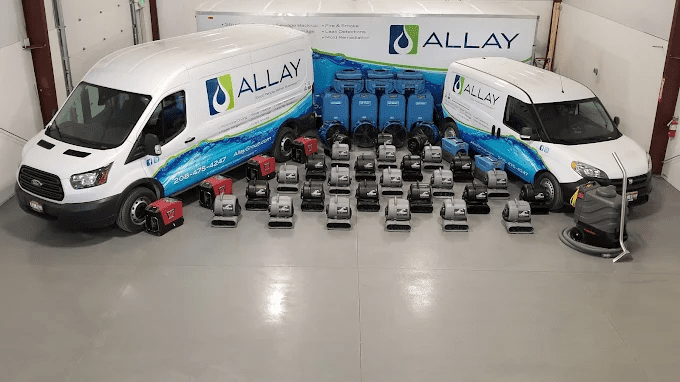
Next comes the heart of the service: swift, targeted water extraction. Using commercial-grade pumps, truck-mounted systems, and specialized extraction tools, technicians remove as much water as possible from floors, carpets, and other surfaces. In basements and crawlspaces common to many Nampa properties, they may set up additional pumping systems or temporary discharge lines to move water away from the foundation and prevent re-entry. Throughout this phase, they monitor moisture levels and adjust their approach as needed to maximize efficiency.
After the visible water is gone, Allay Disaster Cleanup Services transitions seamlessly into drying and dehumidification. Equipment is positioned strategically to create airflow patterns that draw moisture out of building materials and into the air, where dehumidifiers can remove it. This stage can take several days, depending on the severity of the flooding and the construction of the building. Technicians regularly measure moisture levels in walls, floors, and structural components, documenting progress and ensuring that everything reaches acceptable dryness standards before equipment is removed.
In addition to extraction and drying, comprehensive service often includes cleaning, disinfection, and odor control, especially when the water is contaminated or has been present for more than a day or two. Contents such as furniture, area rugs, and personal belongings may be assessed for salvageability and either cleaned on-site or transported to an off-site facility. Allay Disaster Cleanup Services understands that for Nampa residents, it is not just about the building, but also about preserving the items that make a house or business feel like home.
Protecting Your Nampa Property Before The Next Flood
While no one can completely eliminate the risk of flooding, there are practical steps property owners in Nampa can take to reduce the impact and make swift water extraction more effective. One of the simplest is to know where your main water shutoff valve is and how to use it; in the event of a burst pipe, shutting off the supply quickly can significantly limit damage. For homes in low-lying areas or with basements prone to seepage, installing and maintaining a sump pump with a backup power source can help keep water from accumulating.
Regular maintenance of gutters, downspouts, and drainage systems also plays a role. When these systems are clogged or damaged, heavy rain can pool around foundations and find its way into basements and crawlspaces. Ensuring that water is directed away from the structure reduces the chances of significant intrusion. Landscaping can be graded to encourage runoff to flow away from the building, and window wells can be fitted with covers to prevent direct water entry.
Inside the property, consider how belongings are stored. In basements and ground-level storage areas, keeping items on shelves or pallets rather than directly on the floor can prevent them from becoming saturated in a minor flood. Important documents, electronics, and irreplaceable keepsakes are best stored on higher levels whenever possible. By organizing spaces with potential flooding in mind, you give professional water extraction teams room to work and reduce the number of items at risk.
Finally, establish a relationship with a trusted local restoration company before disaster strikes. Having the contact information for Allay Disaster Cleanup Services readily available means you can call for help immediately if flooding occurs. In an emergency, those first phone calls can feel overwhelming; knowing in advance who to call and what to expect streamlines your response and gets the extraction process started faster.
Frequently Asked Questions
How soon should I call for water extraction after flooding? You should call as soon as it is safe to do so. Ideally, professional water extraction begins within the first few hours after flooding is discovered. The longer water sits, the deeper it penetrates into building materials and the higher the risk of mold and structural damage. In Nampa, ID, where weather can be unpredictable, having a local team like Allay Disaster Cleanup Services respond quickly can significantly improve the outcome of your restoration.
Can I just use fans and dehumidifiers instead of professional extraction? Fans and dehumidifiers are important, but they are not a substitute for thorough water extraction. If large amounts of water remain in carpets, pads, and subfloors, simple air movement will not remove it effectively. In fact, running fans over saturated materials can sometimes spread moisture and contaminants to unaffected areas. Professional extraction removes the bulk of the water first, making drying equipment much more effective and reducing the time needed to bring your property back to normal.
Is floodwater in my home dangerous? It can be. Water from outside sources, such as storm runoff or overflowing drainage systems, may carry bacteria, chemicals, and other contaminants. Sewer backups are considered highly hazardous and require strict safety measures and disinfection. Even water from a clean source can become contaminated if it sits for more than 24–48 hours. Allay Disaster Cleanup Services assesses the category of water and uses appropriate protective gear, cleaning agents, and disposal methods to safeguard your health and your property.
How long does the water extraction and drying process usually take? The extraction phase itself is often completed within several hours, depending on the amount of water and the size of the affected area. Drying and dehumidification typically take longer, often 2–5 days or more for severe cases. Factors such as building construction, the types of materials involved, outside weather conditions in Nampa, and the initial response time all influence the timeline. Technicians monitor moisture levels throughout the process and adjust equipment as needed to ensure a thorough, efficient dry-out.
Will all of my belongings be saved after a flood? Not everything can be saved, but swift water extraction greatly increases the chances of salvaging many items. Non-porous materials like metal, glass, and some plastics are often cleanable if addressed quickly. Porous items such as upholstered furniture, mattresses, and certain types of flooring may be more difficult to restore, especially if the water is contaminated. A professional team will evaluate each item, explain your options, and focus on both safety and sentimental value. For other types of disaster-related cleanup, including issues related to smoke, you can review services like Smoke Damage for additional insight into restoration capabilities.