
The first sign is usually subtle: a faint musty odor near the downstairs bathroom, a small dark patch creeping along the edge of a window frame, or a bit of discoloration on the ceiling after a roof leak. Weeks pass, and suddenly that “small spot” has spread, the smell is stronger, and you start wondering whether it’s affecting your family’s health. In a place like Nampa, ID, where seasonal moisture, snowmelt, and occasional plumbing leaks are part of everyday life, many homeowners encounter this scenario and aren’t sure what to do next. They’ve heard of mold remediation, but they may not fully understand what it involves or why it matters.
Understanding mold remediation and its benefits is more than just learning how to clean up something unsightly on a wall. It’s about recognizing how mold grows, how it impacts indoor air quality and health, and how professional cleanup protects both your property and your peace of mind. When mold is handled properly and thoroughly, it not only disappears from sight; the conditions that allowed it to grow are addressed, reducing the risk it will return. For residents and business owners in Nampa, knowing when to call a professional team like Allay Disaster Cleanup Services and what to expect from the process can make the difference between a minor issue and a major, costly problem.
Remediation is not just a fancier word for “cleaning.” It is a structured, step-by-step strategy to locate mold, contain it, remove it safely, and restore a healthy environment. This approach is especially important after events like water damage, basement flooding, roof leaks, or long-term humidity issues. By understanding mold remediation and its benefits, you can make informed decisions, act quickly, and protect the health and value of your home or business.
What Mold Really Is
Mold is a type of fungus that exists almost everywhere, both indoors and outdoors. In nature, it has an important role: breaking down organic matter like leaves and dead wood. The problem begins when mold finds its way into the indoor spaces where you live or work and discovers the perfect conditions to grow. All mold needs is moisture, a food source such as drywall or wood, and time. In a damp bathroom, a previously flooded basement, or a poorly ventilated attic in Nampa’s variable climate, those conditions can appear quickly.
Once mold spores land on a damp surface, they begin to colonize. The growth may start as small, faint specks but can spread into larger patches in just a few days. Different types of mold can vary in color and texture—black, green, white, or even orange—and some are more likely to trigger health issues than others. However, from a homeowner’s perspective, visible mold of any kind indoors is a red flag that conditions are not healthy or normal.
One of the most misunderstood aspects of mold is that you don’t always see it. Mold can grow behind walls, under flooring, inside insulation, or in HVAC systems. If you notice a persistent musty odor, ongoing allergy-like symptoms, or worsening asthma when indoors, hidden mold could be a contributing factor. This is where professional mold remediation from a company like Allay Disaster Cleanup Services becomes essential; they use specialized tools and training to locate mold colonies that are not obvious to the naked eye.
Why Mold Is A Serious Issue
Mold is not just a cosmetic concern. It can affect health, structural integrity, and overall indoor comfort. For people with allergies, asthma, or other respiratory conditions, mold exposure can worsen symptoms significantly. They might experience sneezing, coughing, congestion, or eye irritation. Even individuals who are generally healthy may notice headaches, fatigue, or irritation when mold levels are high indoors. Children, older adults, and those with compromised immune systems are especially vulnerable to the effects of poor indoor air quality caused by mold.
Beyond health, mold can damage the materials that form the structure of your home or business. Drywall, wood framing, subflooring, and insulation can all be compromised if mold is left unchecked. Over time, what starts as a small, manageable patch can turn into a large-scale issue that requires removing and replacing building materials. In Nampa, where moisture from winter storms or spring thaws can seep into basements, crawl spaces, and walls, ignoring mold can quickly become a costly mistake.
Mold also carries a financial impact in terms of property value and insurability. A home with a known, unresolved mold problem can be harder to sell, and potential buyers may demand extensive repairs or price reductions. Insurance companies may limit coverage on repeated or neglected water damage issues. By understanding mold remediation and its benefits, property owners can take early action that protects both their health and their long-term investment.
What Professional Mold Remediation Involves
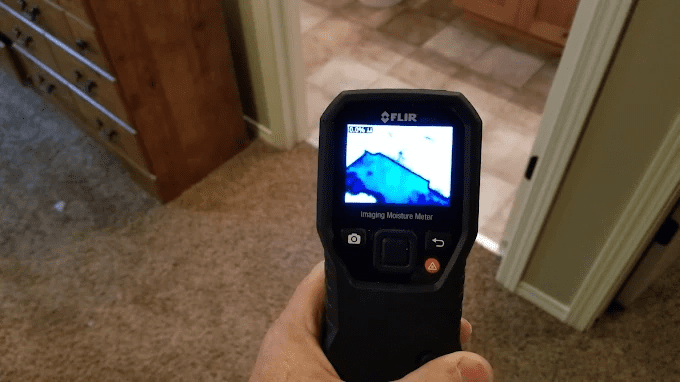
Mold remediation is a comprehensive process designed not only to remove visible mold but also to address the conditions that allowed it to grow. When you contact a team like Allay Disaster Cleanup Services in Nampa, ID, the process typically begins with an assessment. Trained specialists inspect the affected areas, look for signs of moisture intrusion, and may use tools such as moisture meters or thermal imaging to detect hidden dampness. The goal is to understand the full scope of the issue before any removal begins.
After the assessment, the next step is containment. This is one of the most important differences between simple cleaning and true remediation. Professionals set up physical barriers, often using plastic sheeting and negative air machines, to isolate the mold-affected area from the rest of the building. This prevents mold spores from spreading through the air to clean areas as work is performed. Ventilation systems may be turned off or sealed in the work zone to further limit the movement of spores.
Once containment is in place, the removal and cleaning phase begins. Depending on the severity of the mold, some materials such as porous drywall, carpet, and insulation may need to be carefully removed and disposed of. Surfaces are then treated using specialized cleaning agents and techniques designed to eliminate mold growth and spores. In many cases, HEPA vacuums and air scrubbers are used to capture microscopic particles from surfaces and the air. After the visible mold is removed, professionals often apply antimicrobial treatments to discourage regrowth and perform a final inspection to confirm that remediation goals have been met.
Key Benefits Of Proper Mold Remediation
One of the most immediate benefits of professional mold remediation is improved indoor air quality. When mold colonies are removed and spores are reduced, many people notice that the air feels fresher and breathing is easier. Allergy and asthma symptoms may lessen, and that persistent musty odor disappears. For families in Nampa who spend long winters indoors, this improvement in air quality can make a significant difference in day-to-day comfort and well-being.
Another major benefit is the protection of your property’s structure. By addressing both mold and the moisture sources that feed it, remediation helps prevent continued deterioration of building materials. Wood framing, drywall, and flooring that might otherwise weaken or rot can be preserved when problems are caught early. This proactive approach can save thousands of dollars in future repairs. It also extends the life of your home or commercial building, keeping it safer and more stable over time.
Mold remediation also offers peace of mind and a clearer path forward. Instead of wondering whether the problem is getting worse behind the walls or under the floors, you have a documented process and professional confirmation that the issue has been addressed. This is especially valuable when you are planning to sell a property or when you manage rental or commercial spaces where tenants’ health and satisfaction are a priority. Knowing that a qualified team like Allay Disaster Cleanup Services has handled the situation reassures both owners and occupants.
Why DIY Mold Cleanup Often Falls Short
When homeowners first notice mold, the instinct is often to reach for a spray bottle and a scrub brush. While a small patch of surface mold on non-porous materials can sometimes be safely cleaned by the homeowner, larger or recurring issues typically require professional intervention. A major limitation of DIY cleanup is the lack of proper containment. Scrubbing mold without isolating the area can release more spores into the air, allowing them to settle in other parts of the home and potentially making the situation worse.
Another challenge with DIY approaches is incomplete removal. Household cleaners might remove the visible stain but fail to address mold that has penetrated deeper into porous materials. Without identifying and correcting the underlying moisture problem, mold will almost certainly return. This leads to a frustrating cycle where the same area is cleaned over and over, only to become discolored and musty again. In contrast, professional remediation focuses on both removal and prevention, breaking that cycle.
There are also safety considerations. Depending on the extent of the mold and the conditions in the affected area, personal protective equipment such as respirators, gloves, and protective clothing may be necessary. Professionals are trained to recognize when conditions are potentially hazardous and to follow industry standards for safe handling and disposal. Attempting to tackle a significant mold problem without the right gear or knowledge can expose you and your family to unnecessary risk. For these reasons, many Nampa homeowners rely on Allay Disaster Cleanup Services when mold growth is more than a very minor, isolated spot.
Preventing Mold After Water Or Storm Damage
Because mold thrives on moisture, one of the most effective ways to prevent it is to respond quickly to any kind of water damage. After a burst pipe, roof leak, appliance failure, or storm-related flooding, the clock starts ticking. Mold can begin to grow within 24 to 48 hours on damp materials. Rapid extraction of standing water, thorough drying, and proper ventilation are critical steps to keep mold from taking hold. This is why professional disaster cleanup services are often called in immediately after an incident.
In Nampa, storm events and seasonal weather changes can create ideal conditions for water intrusion. Gutters that overflow, ice dams on roofs, or ground water seeping into basements can all lead to hidden moisture problems. Having these issues inspected and repaired promptly is essential. If you have already experienced storm-related damage, coordinating both structural repairs and preventive measures against mold is wise. For related restoration needs, you can learn more about services like Fire Damage that often go hand-in-hand with water and smoke issues.
On an ongoing basis, homeowners and business owners can reduce mold risk through regular maintenance and vigilance. This includes monitoring indoor humidity levels, using exhaust fans in bathrooms and kitchens, ensuring crawl spaces and attics are properly ventilated, and repairing leaks as soon as they are discovered. Routine inspections of vulnerable areas—such as around windows, under sinks, and in basements—can catch small problems before they escalate. When in doubt, having a professional evaluation from a team familiar with Nampa’s climate and building styles can provide valuable guidance.
Frequently Asked Questions
How do I know if I need professional mold remediation? If you see mold covering more than a small, isolated area, notice mold in multiple rooms, or experience persistent musty odors, it is a strong sign that professional remediation is needed. Other indicators include recurring mold after you have cleaned it, visible mold following water damage, or unexplained respiratory symptoms that improve when you leave the building. A company like Allay Disaster Cleanup Services can perform an inspection to determine the extent of the issue and recommend the appropriate course of action.
Is mold remediation safe for my family and pets? When carried out by trained professionals following industry standards, mold remediation is designed to be safe for occupants. Containment barriers, negative air machines, and HEPA filtration are used to prevent mold spores from spreading to clean areas. In many cases, you can remain in the home, although access to the work zone will be restricted. For larger projects, temporary relocation from the immediate area may be recommended. Your remediation team will explain the plan and any safety precautions needed.
How long does the mold remediation process usually take? The timeline depends on the size and complexity of the mold problem. A small, localized area might be remediated in a day or two, while larger or more extensive contamination could take several days or longer. Factors include how many rooms are affected, whether materials need to be removed and replaced, and how quickly the area can be dried and stabilized. During the initial assessment, Allay Disaster Cleanup Services will provide an estimated schedule based on your specific situation in Nampa.
Will mold come back after remediation? Effective mold remediation significantly reduces the likelihood of mold returning, but long-term results depend on controlling moisture. If leaks, condensation, or high humidity persist after remediation, new mold growth can occur. That is why a key part of the process is identifying and addressing moisture sources, such as plumbing leaks, roof problems, or inadequate ventilation. By following the recommendations provided after remediation—like repairing leaks, improving ventilation, or using dehumidifiers—you can greatly reduce the chance of future mold issues.
Is mold remediation covered by insurance? Coverage for mold remediation varies by insurance policy and the cause of the problem. In some cases, mold resulting from a sudden and accidental water event, such as a burst pipe, may be covered. However, mold caused by long-term neglect, unresolved leaks, or lack of maintenance is less likely to be included. It is important to review your policy and speak with your insurance provider to understand your specific coverage. Many restoration companies in Nampa, including Allay Disaster Cleanup Services, can help document damage and communicate with insurers during the claims process.